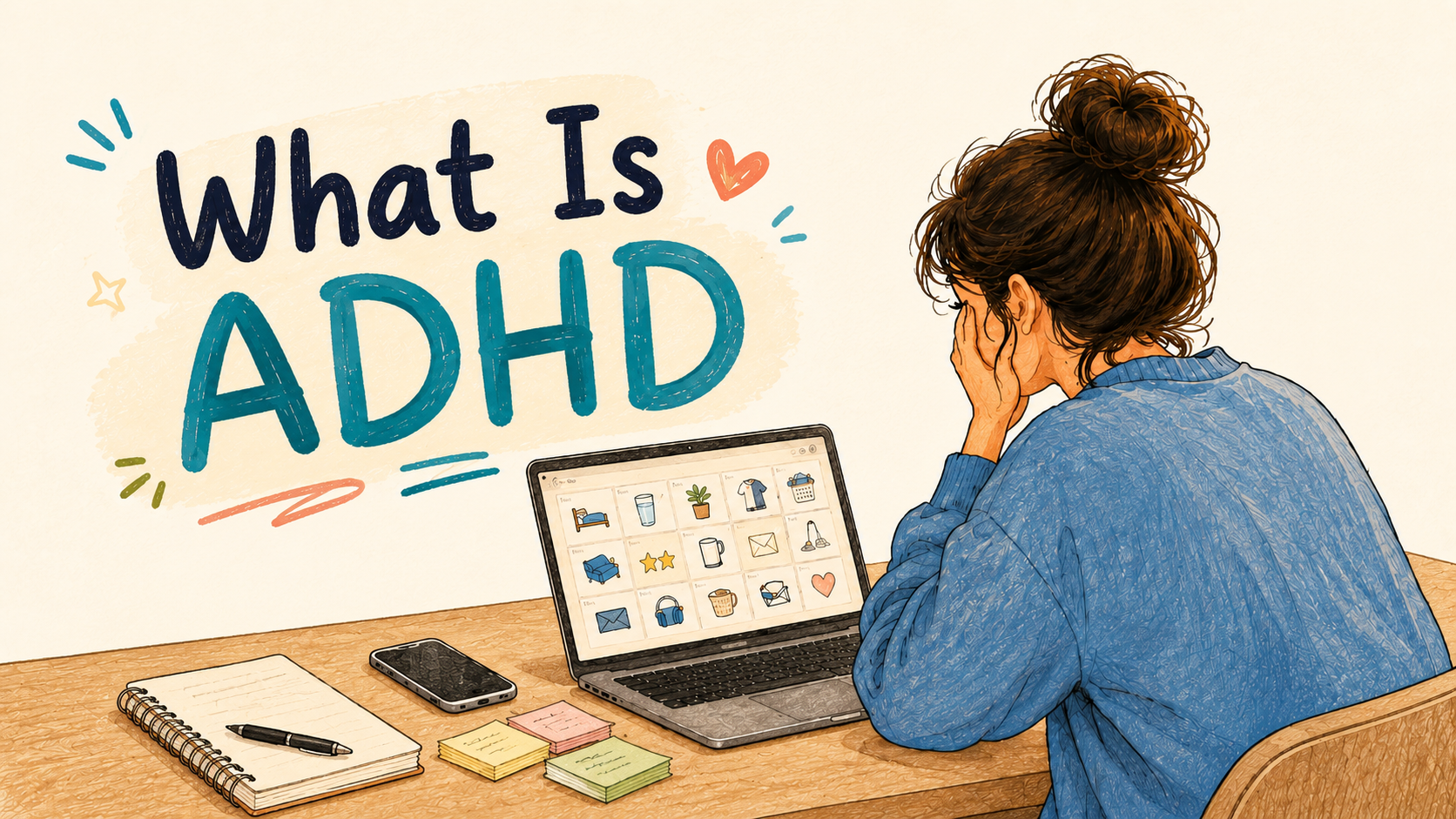
What Is ADHD?
ADHD stands for Attention-Deficit/Hyperactivity Disorder.
But ADHD is not just being distracted. It is not just having too much energy. And it is not laziness.
For many adults with ADHD, it can feel more like this: you know what you need to do, and you may even want to do it, but starting still feels strangely hard.
ADHD can affect focus, planning, time blindness, working memory, emotions, and daily routines. It can make simple tasks feel bigger than they look from the outside.
What ADHD Can Feel Like
ADHD often shows up in small everyday moments: opening your laptop and feeling overwhelmed, standing in a messy room without knowing where to begin, forgetting laundry in the washer, or replying to a message days later.
A task like "clean the kitchen" may sound simple, but it is actually many steps: clear the counter, wash dishes, put things away, wipe surfaces, sweep, and take out the trash.
When all those steps stay invisible, the task can feel too big to start. This is often connected to executive dysfunction, especially task initiation. That does not mean you are lazy. It may mean your brain needs the first step to be clearer and smaller.
Why Regular To-Do Lists Can Feel Hard
To-do lists are supposed to help, but for ADHD, a long list can sometimes feel like proof that you are behind.
The tasks are not wrong. They are just too broad. For ADHD task initiation, "start" often needs to be smaller. Some people describe this stuck feeling as ADHD paralysis: you know the task matters, but your brain cannot find the first move.
Instead of
Leave the house
Try
Stand up and get dressed.
Instead of
Clean the house
Try
Pick up the broom.
Instead of
Make dinner
Try
Put the pot on the stove.
The first win does not need to be impressive. It just needs to be possible.
What ADHD Coping Strategies Have in Common
There is no perfect system for every ADHD brain. But many ADHD coping strategies do the same thing: they make tasks visible, make the first step smaller, reduce pressure, and create small wins.
That matters because pressure does not always create action. Sometimes pressure only creates shame.
A better system helps you move without making you feel like you are already failing.
How Vingoals Helps
Vingoals turns tasks, routines, and goals into a simple bingo board. Instead of staring at a long list, each task becomes one small square, like a visual reminder your brain can come back to.
A board like this could include:
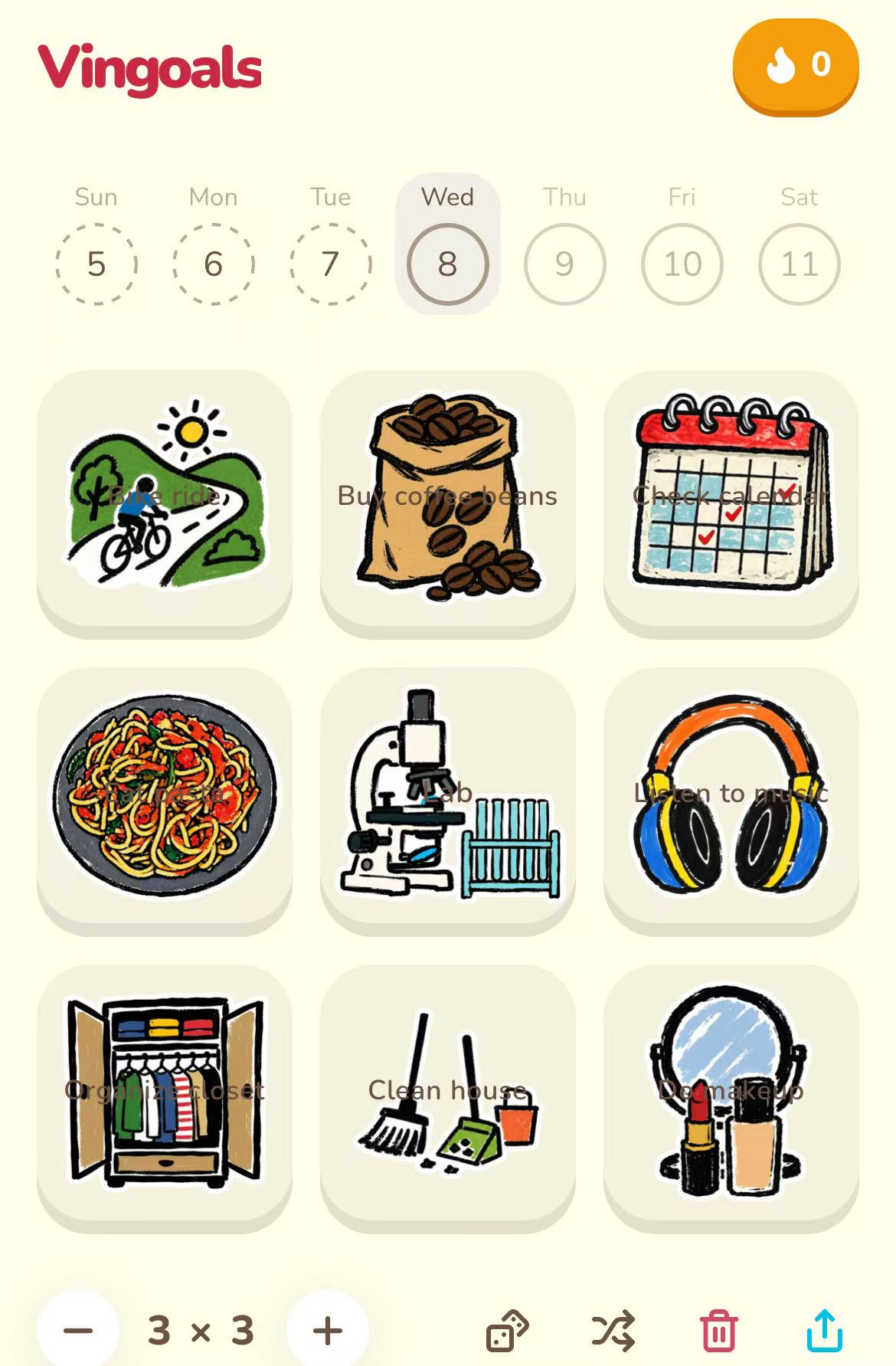
You are not trying to fix your whole life in one day. You are just trying to complete one square.
Once one square is done, the day can start to feel different. You see progress, get a small win, and build momentum. That is why a gentle ADHD checklist or habit tracker can feel easier than a long list.
A Softer Way to Start
ADHD productivity is not about becoming perfectly disciplined. It is about finding a system that works with your brain.
Some days, one small task is enough. Some days, one square is enough. And that still counts.
Quick note: this article is not a diagnosis. If ADHD symptoms are making daily life harder to manage, professional support can help too.
Start with one tiny win today
Start with one square.
That is enough for today.
More real stories
See all stories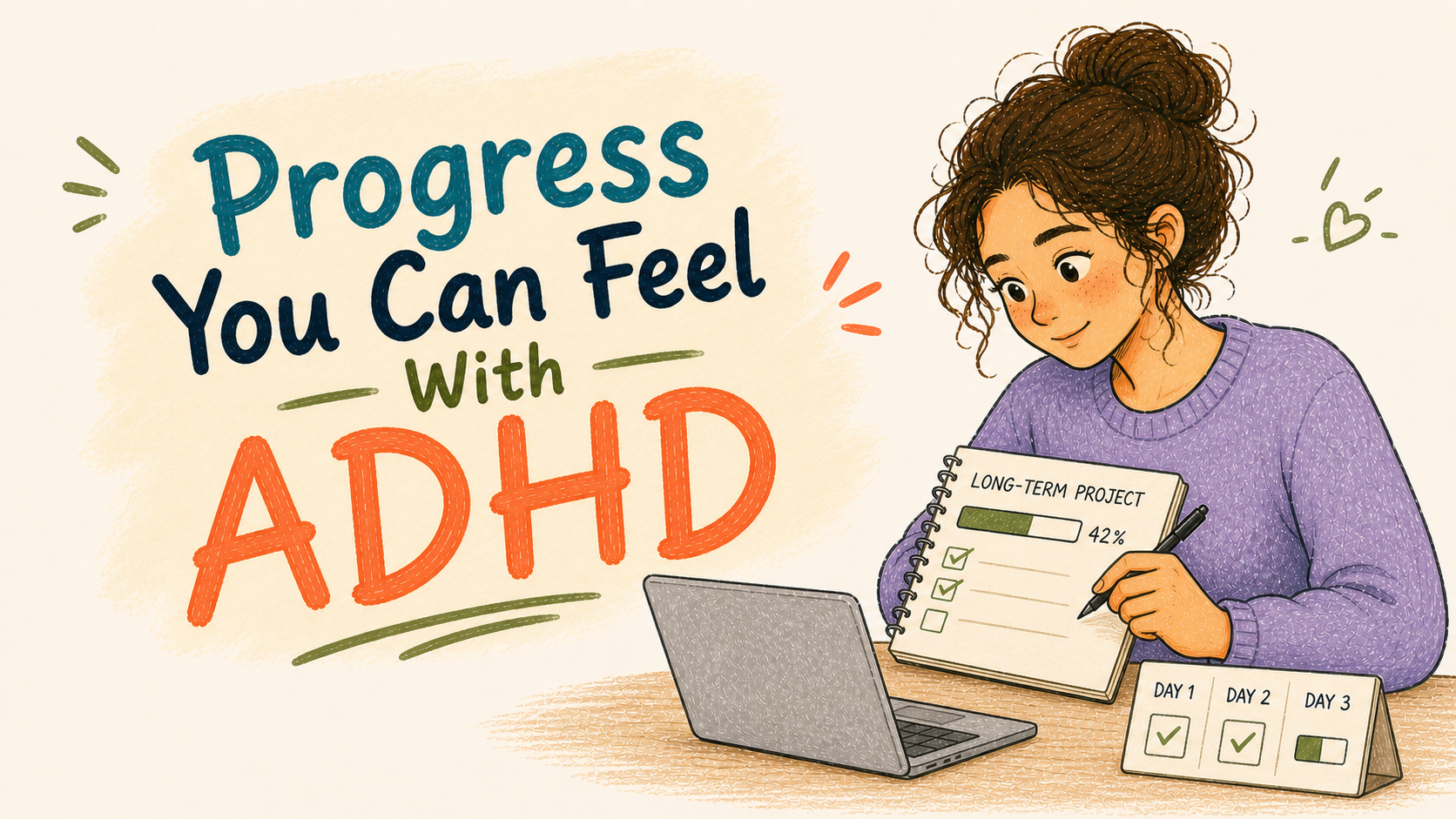
ADHD Long-Term Projects: Make Slow Progress Feel Visible
Long tasks can feel impossible when the reward is too far away. A three-day cycle and small feedback points can make slow progress easier to feel.
Read story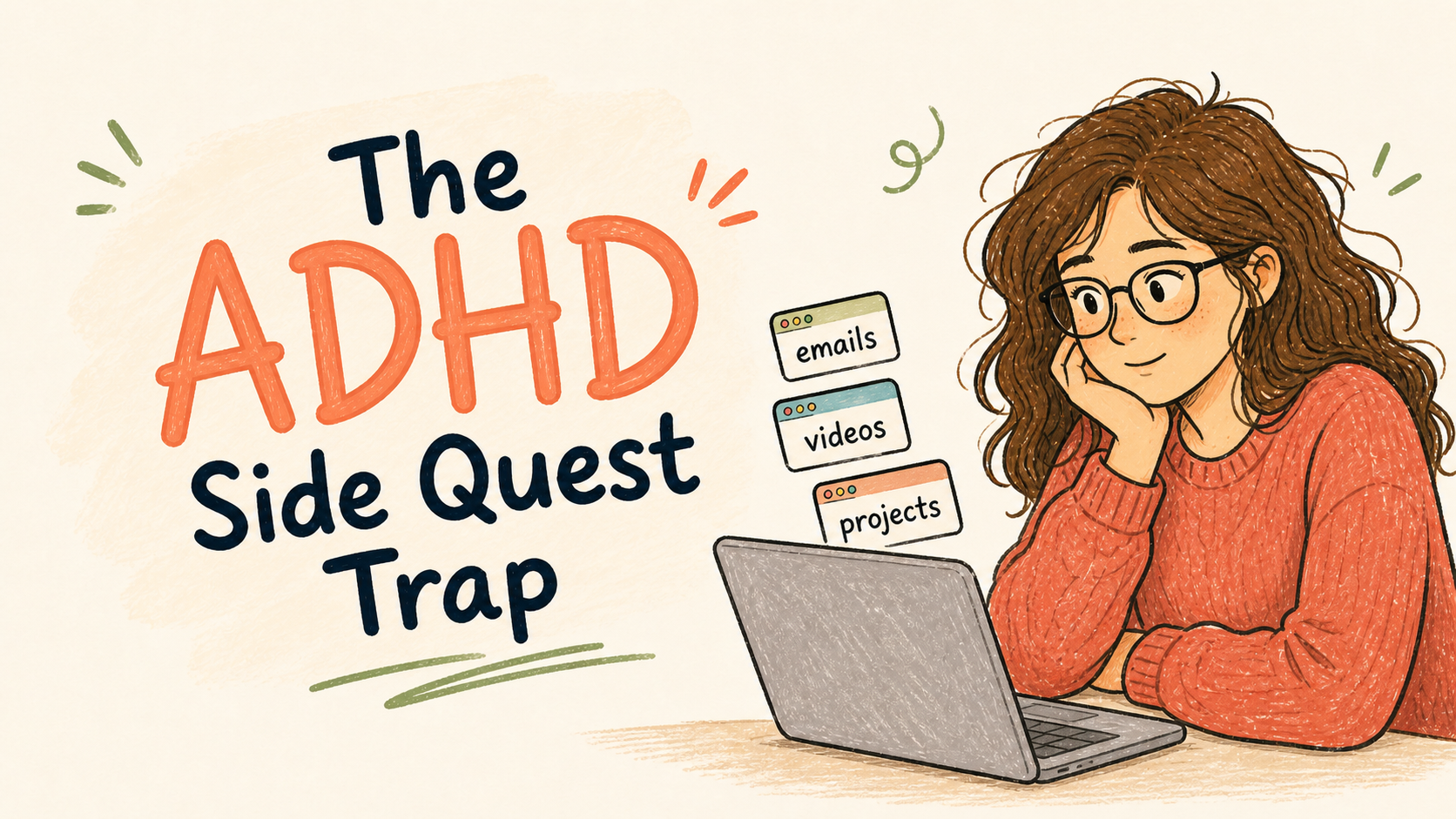
ADHD Task Switching: Use a Main Quest and Side Quest Strategy
When ADHD attention keeps following side quests, a work routine needs one main quest and a place for everything else.
Read story
Study and Work With ADHD: Build a Sustainable Focus Rhythm
For ADHD, focus is often hard to switch on but powerful once it starts. A flow-friendly setup can make task initiation feel less jagged.
Read story
ADHD and Irregular Eating: A Low-Friction Food System
When ADHD hyperfocus takes over, meals can disappear from the day. A low-friction daily routine makes eating easier before energy crashes.
Read story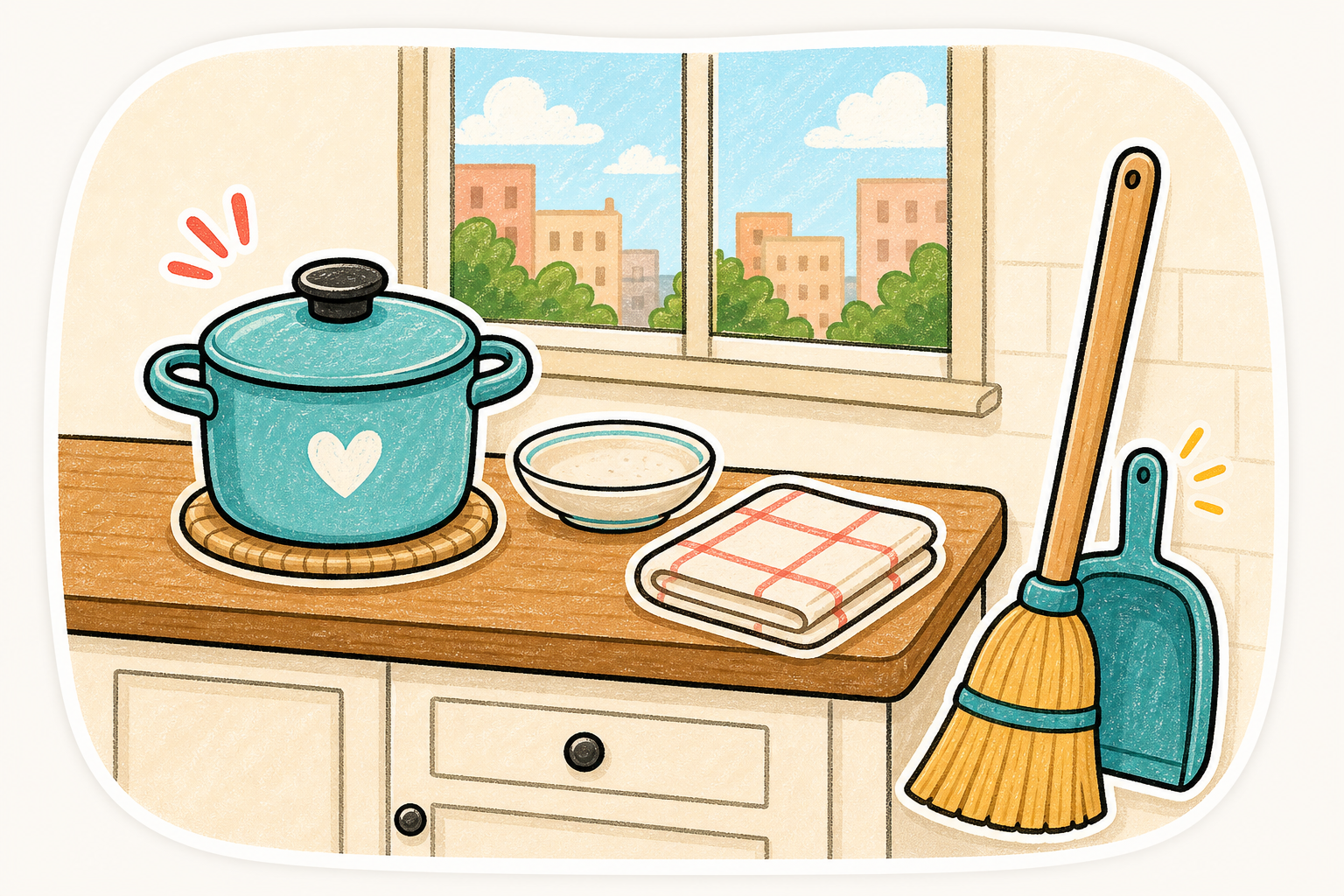
ADHD-Friendly Organizing: Make Things Easier to Put Away
For ADHD, organizing often fails when every object asks for a decision. A visible home for everyday things can make putting them away less exhausting.
Read story
ADHD Bedtime Procrastination
ADHD bedtime procrastination can make nights feel impossible to end. A softer shutdown routine can help your brain move toward sleep.
Read story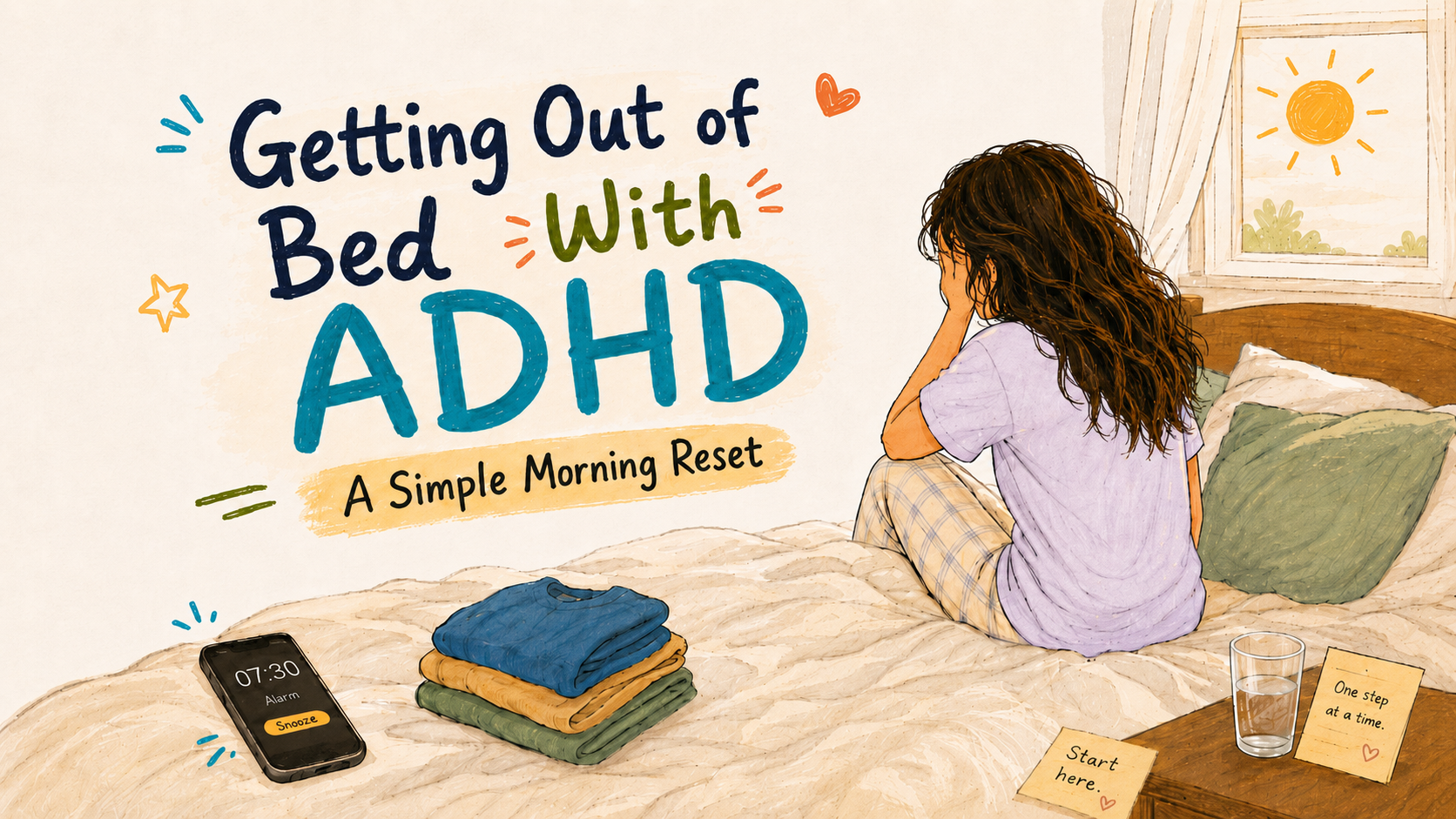
ADHD Morning Routine Reset
Getting out of bed with ADHD can feel like a whole task chain. A softer morning routine can help you restart without shame.
Read story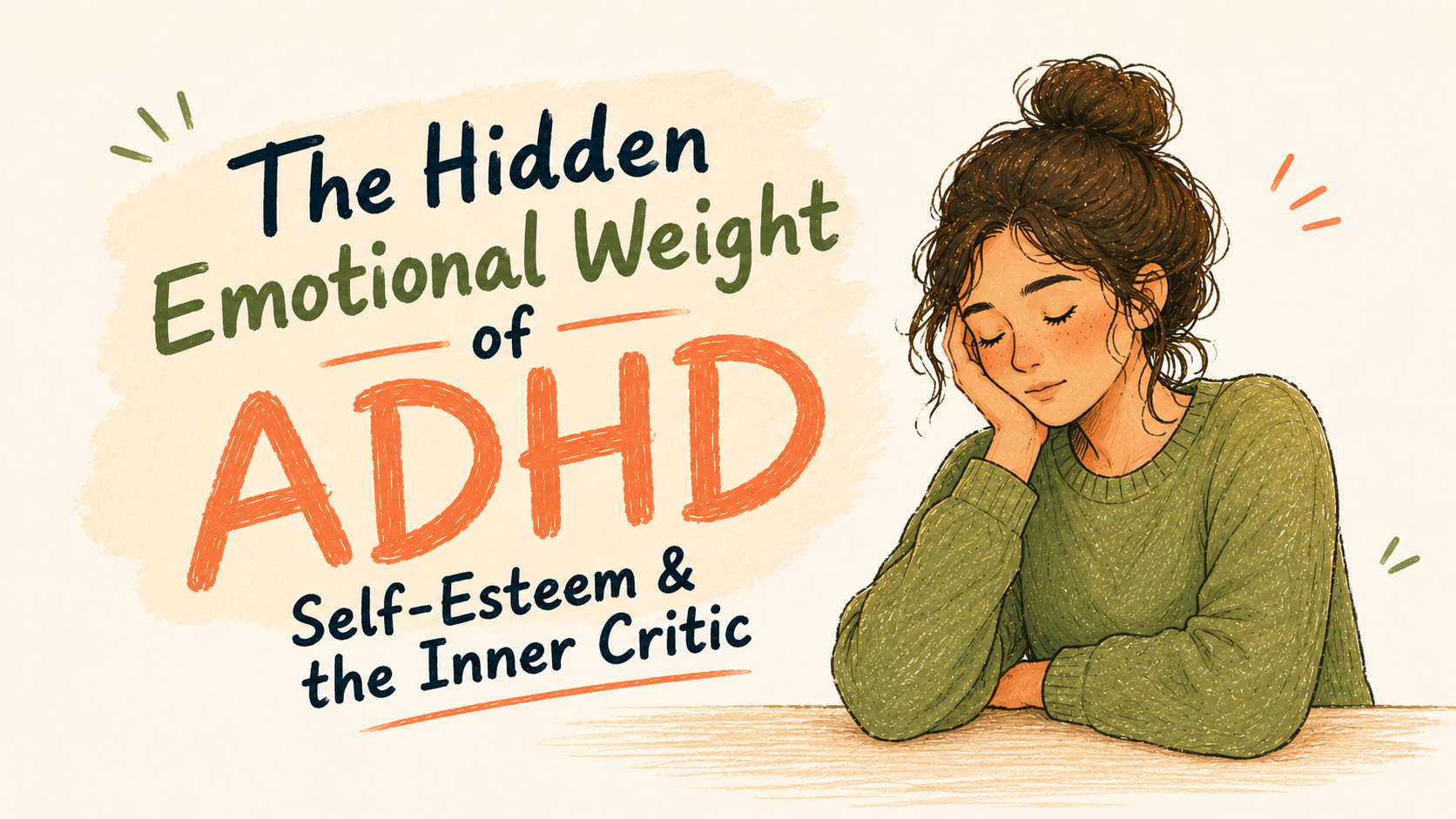
The Hidden Emotional Weight of ADHD
ADHD self-esteem can be shaped by shame, self-criticism, and the hard moments after a mistake. A kinder voice can help you recover.
Read story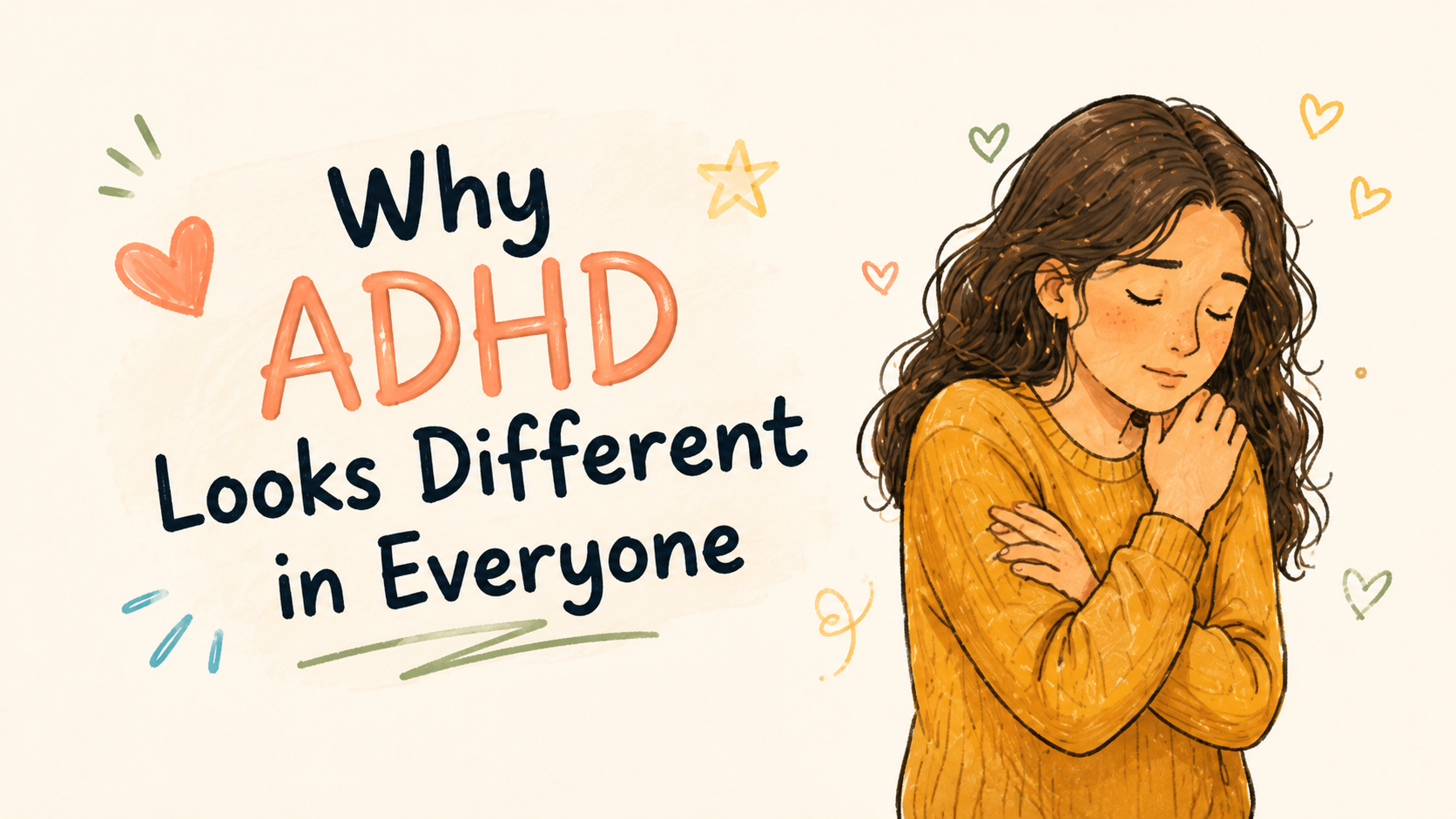
Why ADHD Looks Different in Everyone
ADHD can look restless, quiet, overwhelmed, impulsive, or hidden. The support that helps most depends on how it shows up in your real life.
Read story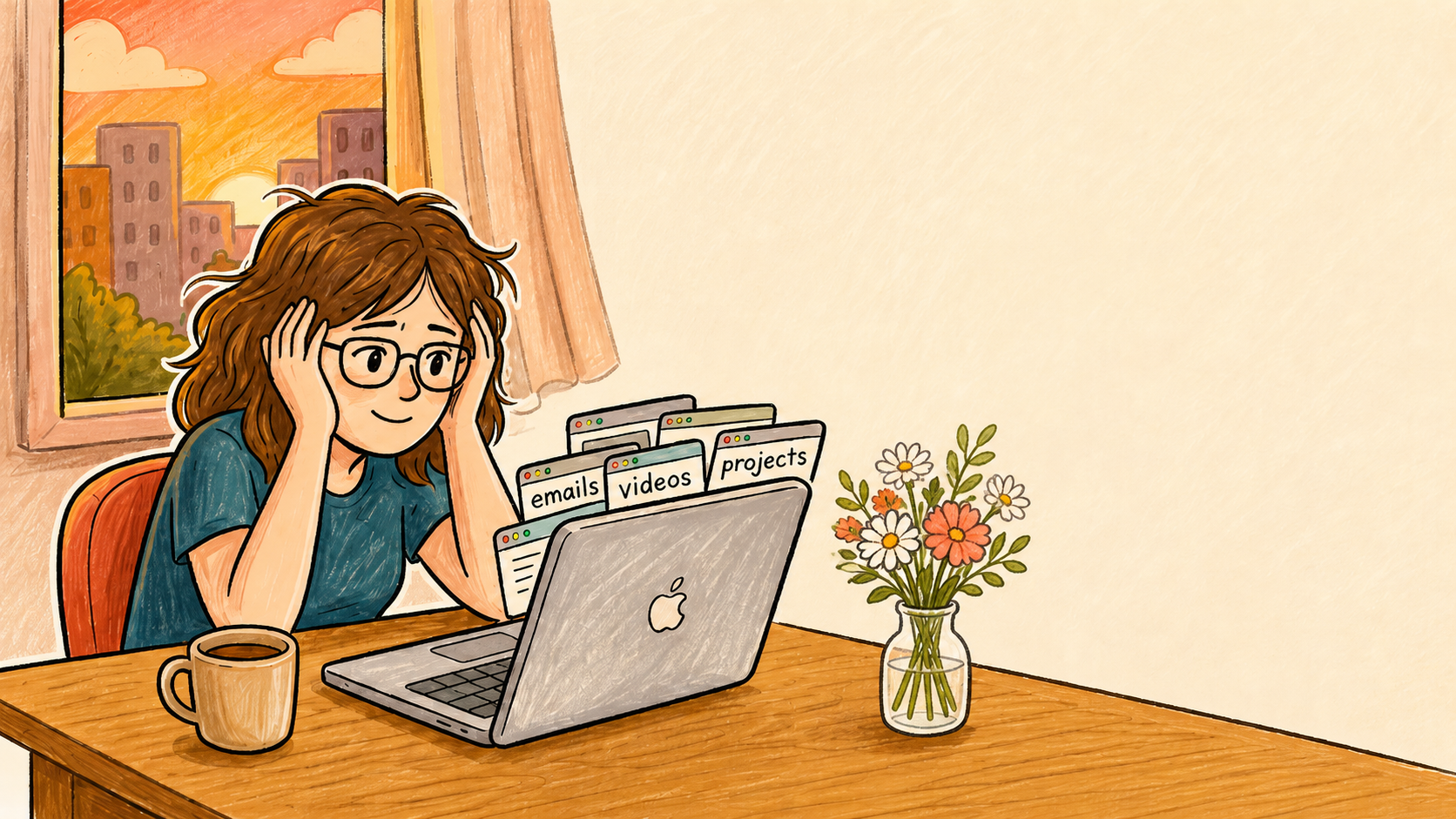
Freelancing With ADHD: Why Open-Ended Workdays Feel So Hard
Freelance freedom helped Maya work on her own terms, but open-ended workdays made starting hard. A smaller ADHD freelance routine helped her begin.
Read story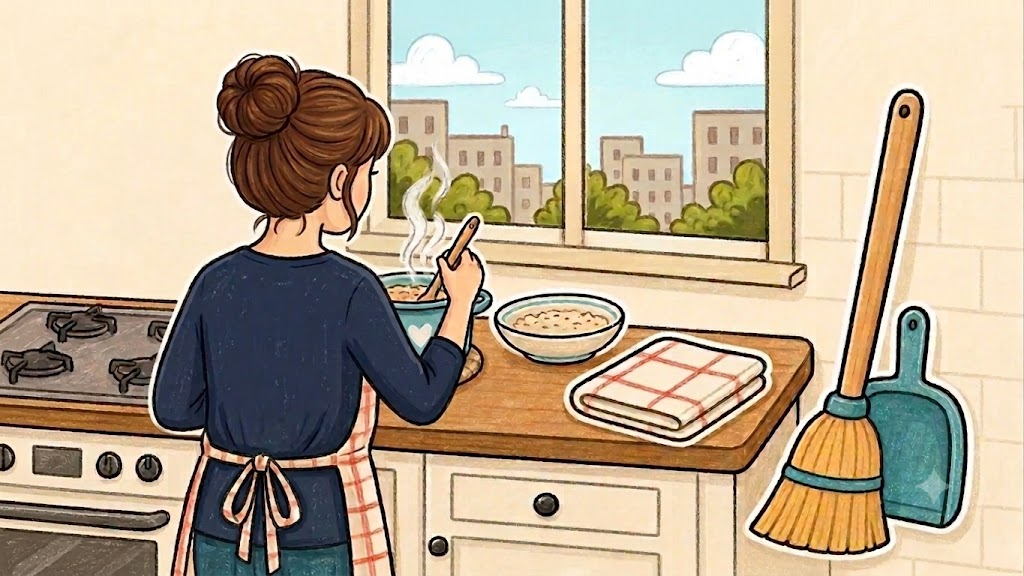
Living Alone With ADHD: Small Visible Steps That Make Life Easier
Living alone with ADHD made daily care feel heavy for CC. Small visible steps helped make the day feel lighter, clearer, and easier to restart.
Read story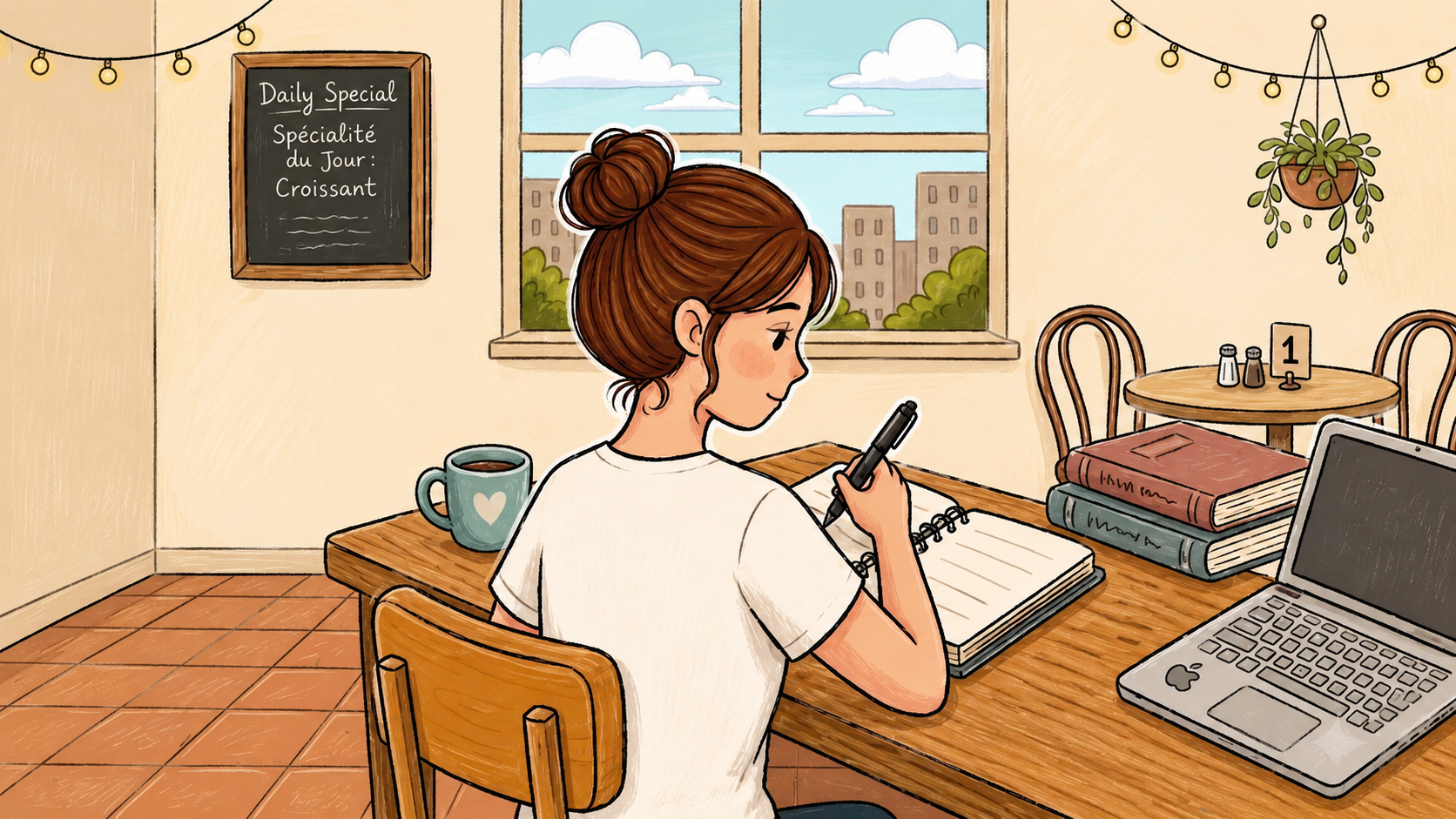
How to Study With ADHD Without Getting Stuck Before You Start
Studying with ADHD can feel hard before the studying even begins. Ashley used small visible steps to move through ADHD paralysis.
Read story