
Stories

ADHD Social Fatigue: When You Replay Every Conversation

You do not need to become better at performing socially. You need a social rhythm that leaves room for uncertainty, rest, and repair.

Self AwarenessSocial Fatigue6 min read
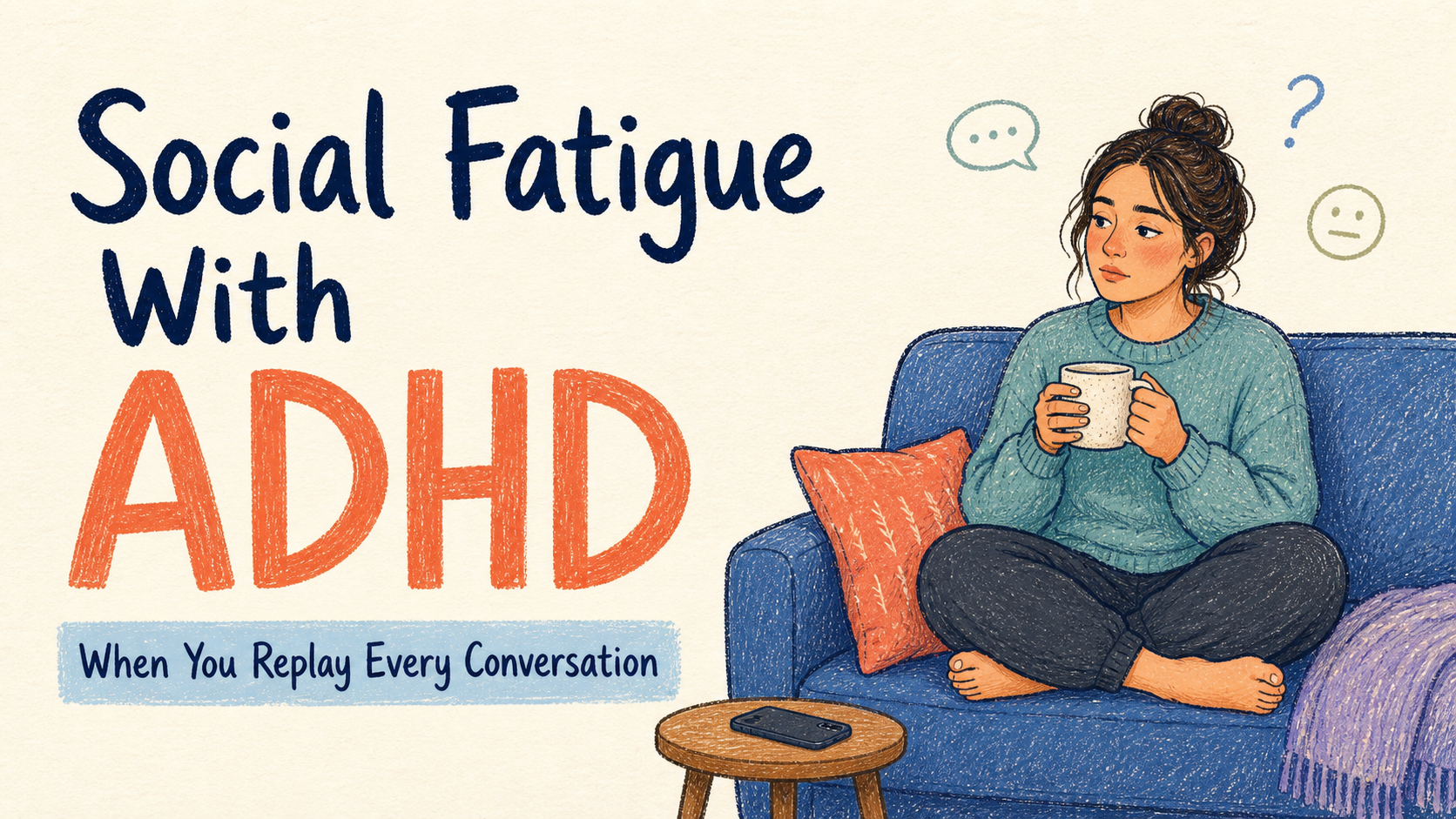
Hand-drawn Vingoals blog cover reading Social Fatigue With ADHD, When You Replay Every Conversation, beside a person resting on a blue sofa with a mug after socializing.

When a Normal Chat Keeps Playing in Your Head

You get home from a completely ordinary dinner or work call, then your brain starts replaying it. Did that joke land badly? Did I interrupt? Was their short reply a sign that they were annoyed?

Nothing dramatic happened, but you feel as if you just finished a difficult exam. Your body is tired, your mind is still scanning, and the idea of another plan can suddenly feel impossible.

This is a familiar part of ADHD social fatigue. It is not proof that you are bad at people or that you do not care. It can be the cost of doing a lot of invisible processing at once.

Why Social Cues Can Cost So Much Energy

Social conversation moves fast. A face changes, a voice shifts, someone pauses, another person starts talking. Many adults with ADHD feel they have to work hard to notice those signals, guess what they mean, and choose a response before the moment passes.

Extra decoding

When a cue feels unclear, your brain may replay it to fill in the missing meaning: Was that neutral, kind, distracted, or upset?

Self-monitoring

Part of your attention may stay busy checking your volume, timing, eye contact, expression, and whether you seem "normal".

Negative guesses

A delayed text or flat tone can become "They do not like me" before your brain has room to consider a simpler explanation.

That does not mean every uncomfortable feeling is a misunderstanding. It means ambiguity can be unusually expensive. The brain may spend more energy than anyone else can see.

The Loop That Makes the Next Plan Feel Harder

When one interaction becomes a painful mental replay, the next invitation can start to feel risky before it even begins.

Unclear social cue
Self-doubt
More replaying and self-monitoring
Wanting to avoid the next plan
More loneliness and sensitivity

Avoiding every plan may bring short-term relief, but it can also make social moments feel higher-stakes later. The goal is not to force yourself into more events. It is to make each event less costly.

Use a Small Social Navigation Plan

A little structure before you go can lower the pressure of having to solve every social variable in real time. Think of it as a navigation tool, not a script you have to perform perfectly.

01

Method

Pick one purpose

Keep it simple: catch up with one friend, celebrate someone, or learn one thing. You do not have to be memorable to have a good reason for being there.

02

Method

Choose a time boundary

Try a kind limit such as I can stay for one hour. A clear exit point gives your nervous system less to hold.

03

Method

Prepare one easy redirect

If a topic feels unfamiliar, use a simple bridge: I do not know much about that—how did you get into it? You are allowed to be curious instead of flawless.

Turn the Replay Into Observation, Not a Verdict

Afterward, your mind may still want to review every sentence. You do not need to fight that urge with more analysis. Try giving the review a gentler question.

Instead of asking

“Did I perform well enough?”

Try asking

“What felt easy, what felt hard, and what would help next time?”

Maybe you felt relaxed with one person, got overloaded in a loud room, or needed a pause sooner than you took one. That is useful information. It is different from putting yourself on trial.

Social moments are allowed to be a little awkward. A pause, a missed cue, or an imperfect sentence is not a full report card on who you are.

Build in a Recovery Window

A social crash does not automatically mean you are not meant for connection. Often it means your energy was spent. Plan for that recovery the same way you would plan travel time after an appointment.

Instead of

Schedule another demanding task right after

Try

Leave one quiet hour after the plan

Instead of

Ask why you are suddenly exhausted

Try

Treat the low-energy feeling as a normal signal

Instead of

Keep replaying until you find the perfect answer

Try

Do one calming reset: shower, music, a snack, or rest

The point is not to recover in a productive way. The point is to let your brain come down from high alert without turning tiredness into shame.

How Vingoals Can Hold the Small Parts

A visual board can keep a social plan from turning into a vague cloud in your head. Vingoals lets you make the parts visible, then give yourself credit for the recovery too.

A gentle social-day board could include:

  • Plan the day
  • Make an espresso or another easy drink
  • See friends for one hour
  • Check mail once
  • Read a book for a quiet reset
  • Prepare one thing for tomorrow

The board is not there to make socializing another performance. It is there to remind you that planning, showing up, leaving, and resting all count.

A Kinder Social Rhythm

You do not need to become the person who can stay everywhere, talk to everyone, and feel nothing afterward. You can choose smaller plans, clearer time limits, and recovery that is built in from the start.

The next time your mind starts replaying a conversation, begin with one softer question: what do I need now? Sometimes the answer is reassurance. Sometimes it is a quiet room. Both are real forms of care.

Quick note: this article is not a diagnosis. If anxiety, attention difficulties, or social exhaustion are making daily life harder to manage, professional support can help too.

Start with one tiny win today

For your next plan, choose one small purpose and one clear ending time.

Let recovery be part of the plan, not proof that you failed it.

Take the free adult ADHD self-check

More real stories

A person with ADHD looking at a simple bingo board of small daily tasks on a cozy desk.
ADHD BasicsADHD Awareness

What Is ADHD? Why Starting Tasks Can Feel So Hard

ADHD is not laziness. Executive dysfunction and ADHD paralysis can make starting hard when the first step is too vague.

Read story
Hand-drawn cover illustration reading Progress You Can Feel With ADHD, with a person tracking a long-term project using a progress bar and three-day calendar.
Work RoutineLong Projects

ADHD Long-Term Projects: Make Slow Progress Feel Visible

Long tasks can feel impossible when the reward is too far away. A three-day cycle and small feedback points can make slow progress easier to feel.

Read story
Hand-drawn cover illustration reading The ADHD Side Quest Trap, with a person facing email, video, and project tabs on a laptop.
Work RoutineTask Switching

ADHD Task Switching: Use a Main Quest and Side Quest Strategy

When ADHD attention keeps following side quests, a work routine needs one main quest and a place for everything else.

Read story
Hand-drawn cover illustration reading Study and Work With ADHD, with a woman in a coral sweater studying at a clean desk with a notebook, laptop, cup, and timer.
Work RoutineTask Initiation

Study and Work With ADHD: Build a Sustainable Focus Rhythm

For ADHD, focus is often hard to switch on but powerful once it starts. A flow-friendly setup can make task initiation feel less jagged.

Read story
Hand-drawn Vingoals blog cover reading ADHD and Irregular Eating, Low-Friction Food System, beside a woman in a soft blue sweater preparing a simple meal in a bright kitchen.
Food RoutineEating Routine

ADHD and Irregular Eating: A Low-Friction Food System

When ADHD hyperfocus takes over, meals can disappear from the day. A low-friction daily routine makes eating easier before energy crashes.

Read story
Hand-drawn kitchen reset scene with a pot, bowl, folded towel, broom, and dustpan as a gentle ADHD-friendly organizing cue.
Home RoutineHome Systems

ADHD-Friendly Organizing: Make Things Easier to Put Away

For ADHD, organizing often fails when every object asks for a decision. A visible home for everyday things can make putting them away less exhausting.

Read story
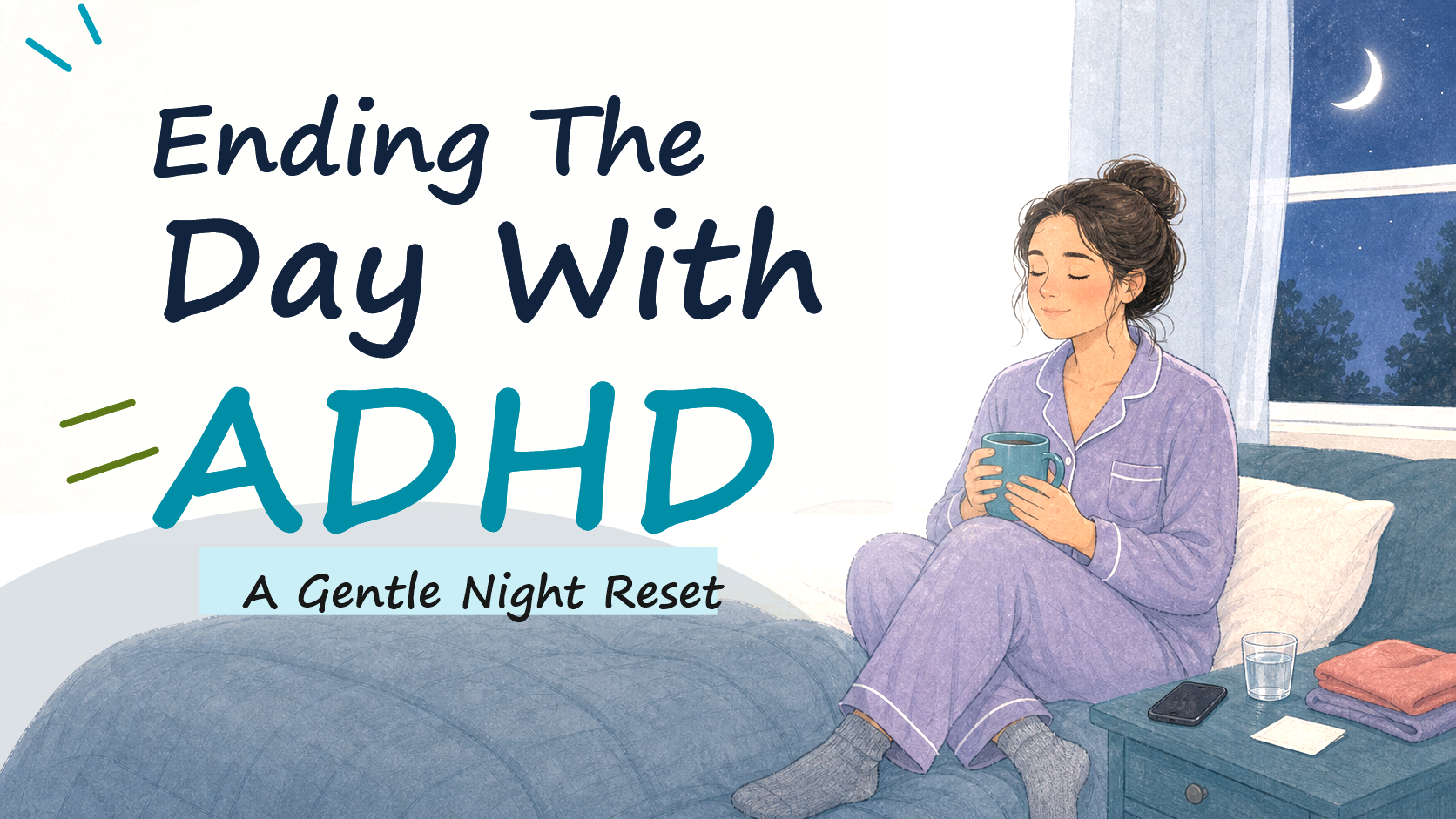
Hand-drawn cover art reading Ending The Day With ADHD, A Gentle Night Reset, beside a calm bedtime scene with a phone, folded clothes, water, and a person sitting on a bed.
Bedtime RoutineSleep Procrastination

ADHD Bedtime Procrastination

ADHD bedtime procrastination can make nights feel impossible to end. A softer shutdown routine can help your brain move toward sleep.

Read story
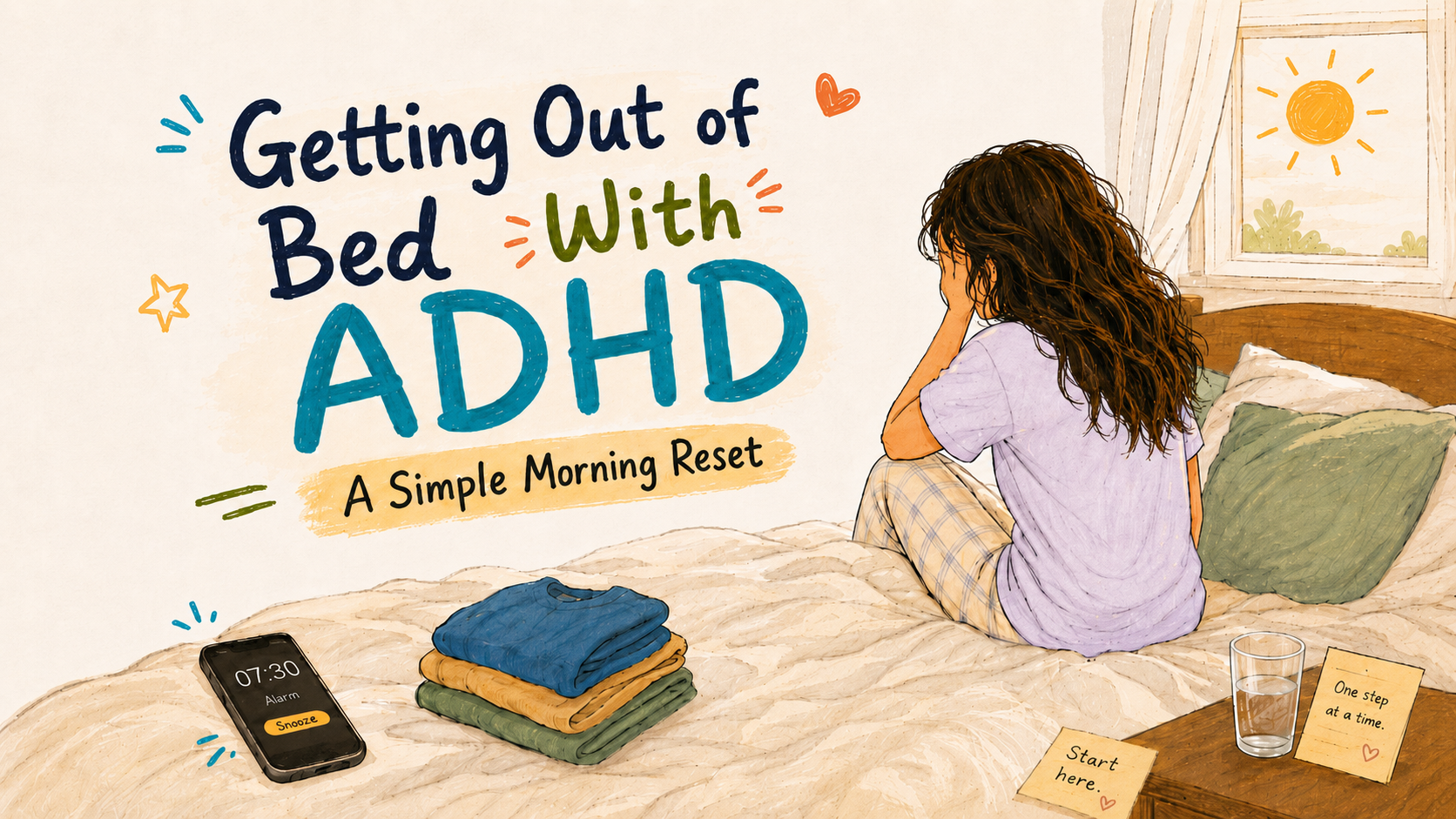
Hand-drawn cover art reading Getting Out of Bed With ADHD, A Simple Morning Reset, beside a person sitting on a bed near an alarm, water, clothes, and notes.
Morning RoutineTask Initiation

ADHD Morning Routine Reset

Getting out of bed with ADHD can feel like a whole task chain. A softer morning routine can help you restart without shame.

Read story
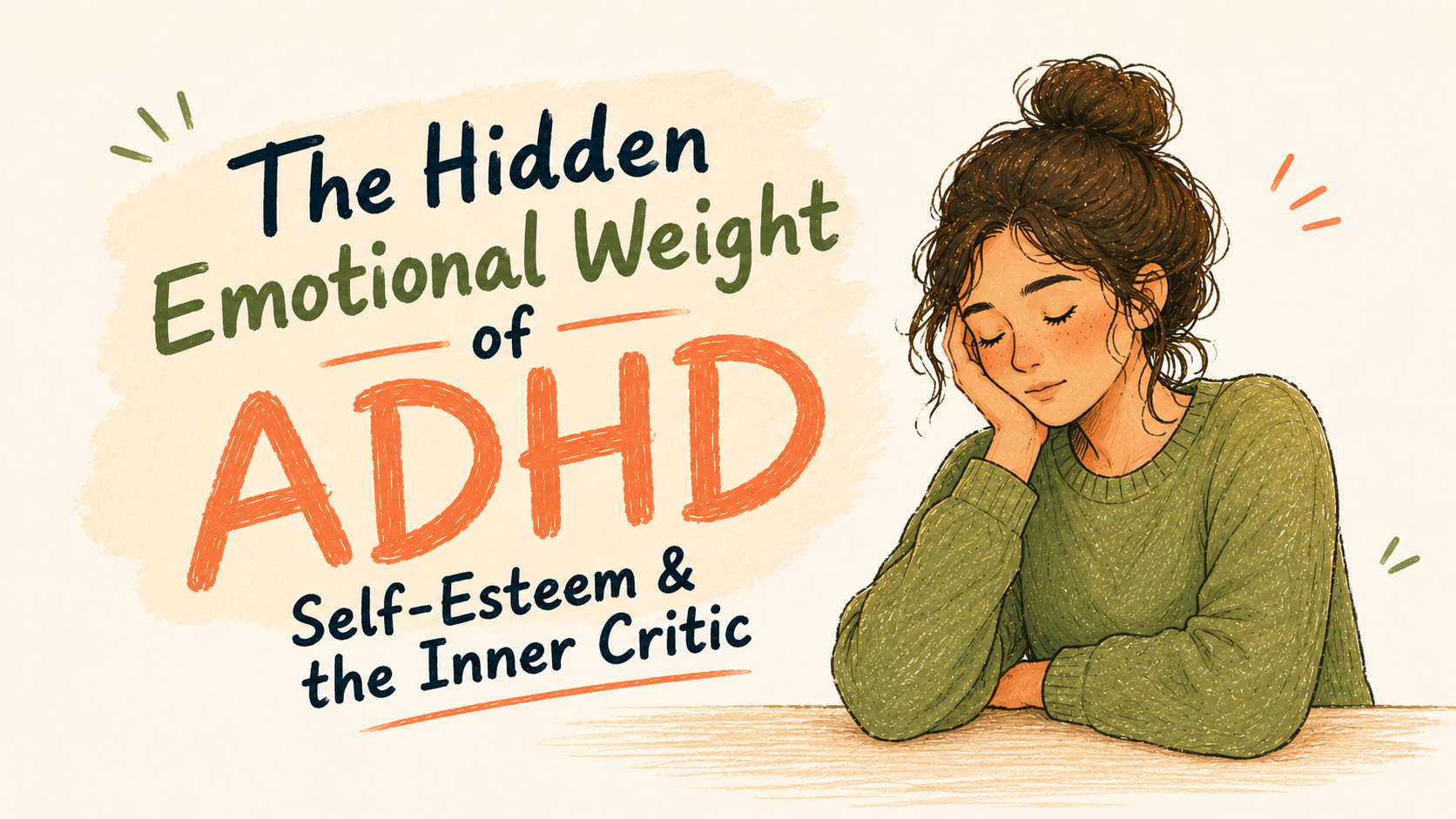
Hand-drawn cover art reading The Hidden Emotional Weight of ADHD, Self-Esteem and the Inner Critic beside a tired woman resting her head on one hand.
Emotional HealthSelf-Esteem

The Hidden Emotional Weight of ADHD

ADHD self-esteem can be shaped by shame, self-criticism, and the hard moments after a mistake. A kinder voice can help you recover.

Read story
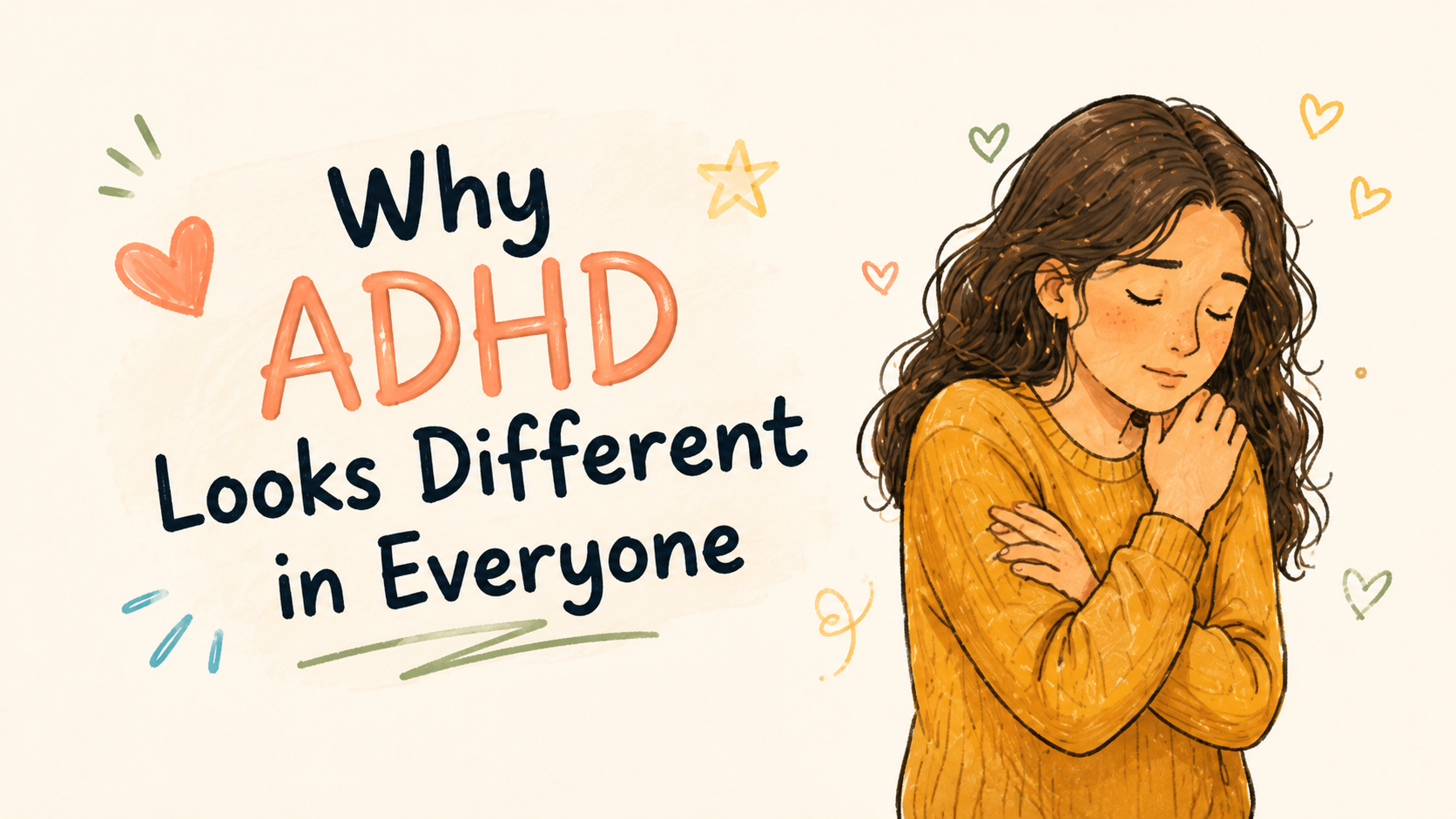
Hand-drawn title art reading Why ADHD Looks Different in Everyone beside a thoughtful woman in a yellow sweater.
Self-AwarenessADHD Patterns

Why ADHD Looks Different in Everyone

ADHD can look restless, quiet, overwhelmed, impulsive, or hidden. The support that helps most depends on how it shows up in your real life.

Read story
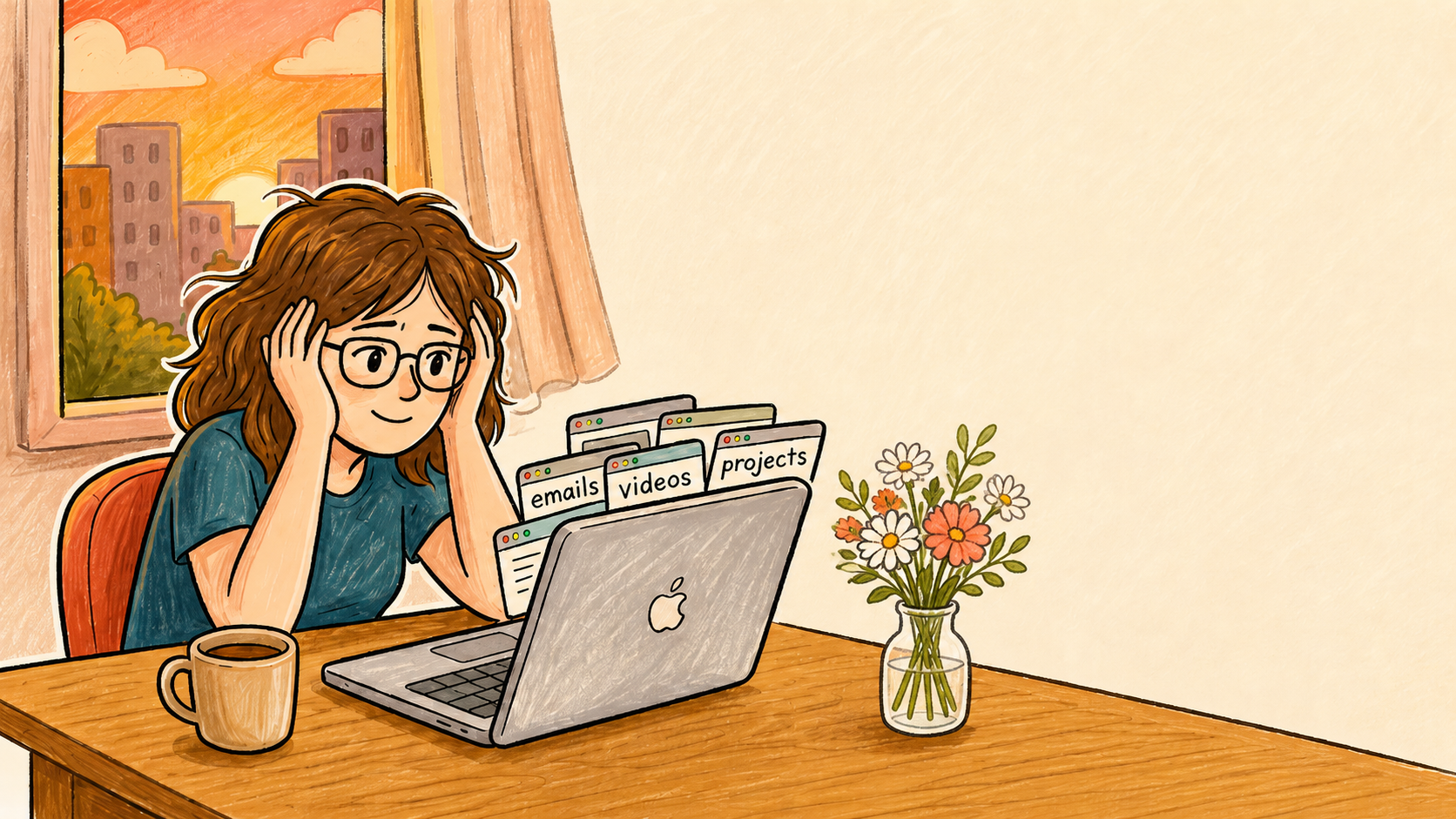
Freelance designer with ADHD facing an open laptop with emails, project files, and too many choices at the start of the workday.
Work RoutineFreelancing

Freelancing With ADHD: Why Open-Ended Workdays Feel So Hard

Freelance freedom helped Maya work on her own terms, but open-ended workdays made starting hard. A smaller ADHD freelance routine helped her begin.

Read story
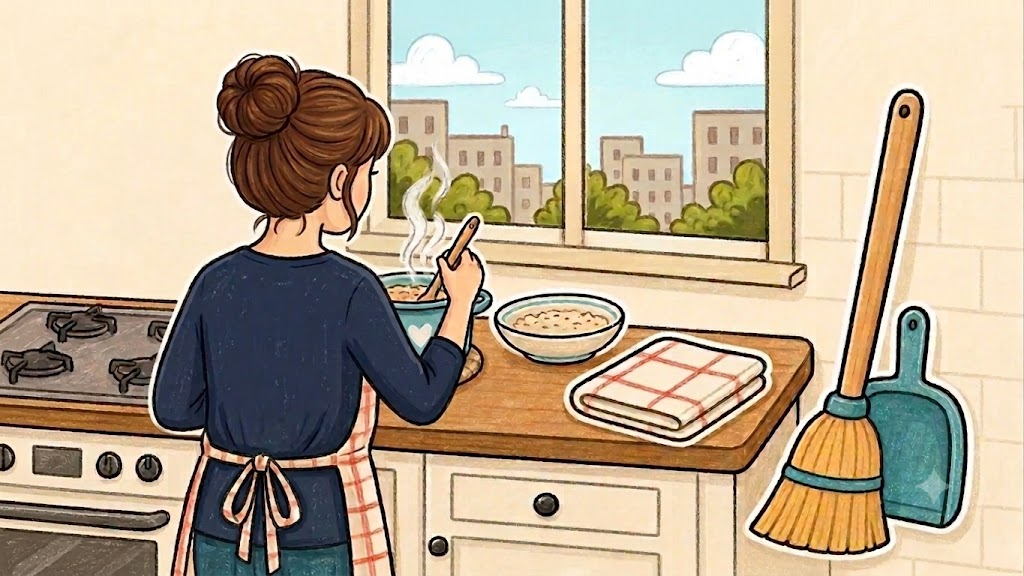
Woman with ADHD cooking in a bright kitchen with simple daily-care items nearby.
Living AloneDaily Routine

Living Alone With ADHD: Small Visible Steps That Make Life Easier

Living alone with ADHD made daily care feel heavy for CC. Small visible steps helped make the day feel lighter, clearer, and easier to restart.

Read story
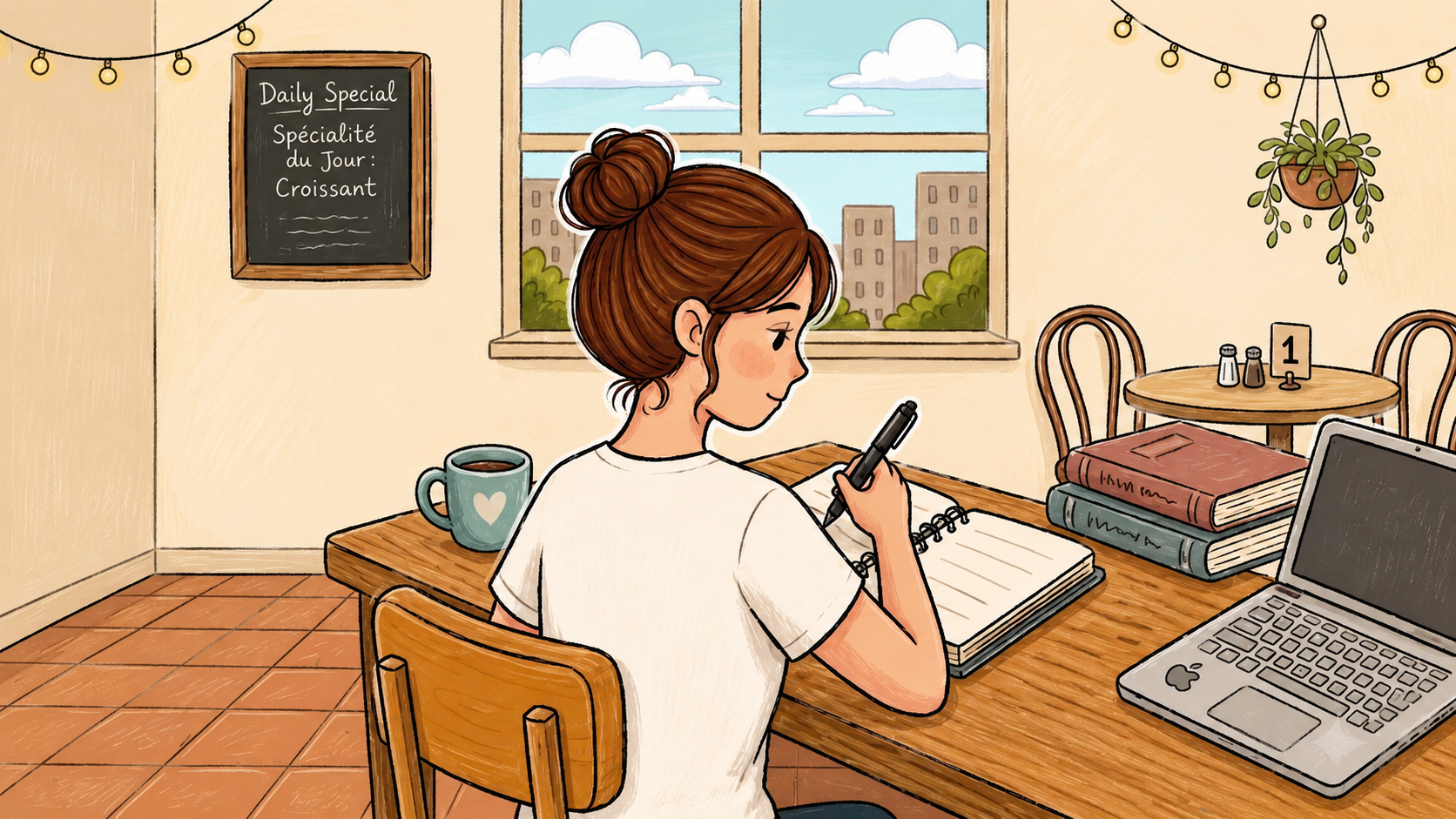
Woman with ADHD studying in a bright cafe with books, a laptop, and simple study materials on the table.
Study RoutineGetting Started

How to Study With ADHD Without Getting Stuck Before You Start

Studying with ADHD can feel hard before the studying even begins. Ashley used small visible steps to move through ADHD paralysis.

Read story