
Freelancing With ADHD Can Feel Like Freedom at First
Freelancing can sound like a dream setup when you have ADHD. You can choose your hours, work from home or a cafe, take breaks when you need them, and avoid the constant noise of an office.
At first, that freedom can feel like relief. But when the workday has no built-in start, structure, or checkpoints, the same freedom can become hard to use.
Why an Unstructured Workday Feels Hard With ADHD
An unstructured workday with ADHD can feel strangely heavy. You wake up knowing there are real things to do: client work, emails, revisions, invoices, or a project you have been avoiding.
The hard part is not always the amount of work. It is the missing entry point. When nothing tells your brain what comes first, it is easy to drift into messages, tabs, videos, or small admin tasks that feel useful but do not move the main project forward.
This is not a character flaw. It is often ADHD task initiation: the moment before action, when the next step is too vague to grab.
Why ADHD Starting Work Can Feel Complicated
For someone watching from the outside, starting work may seem simple.
- Just open the laptop
- Just answer the email
- Just finish the task
But with ADHD, starting work can include many hidden steps. You have to choose the task, find the file, ignore distractions, manage the feeling of being behind, and stay with the work long enough to make progress.
When all of that stays in your head, even a small task can feel heavy before you touch it. That is why ADHD freelancer productivity is not only about motivation. It is about making the next action visible enough to begin.
Maya's Story: When the Day Keeps Slipping Away

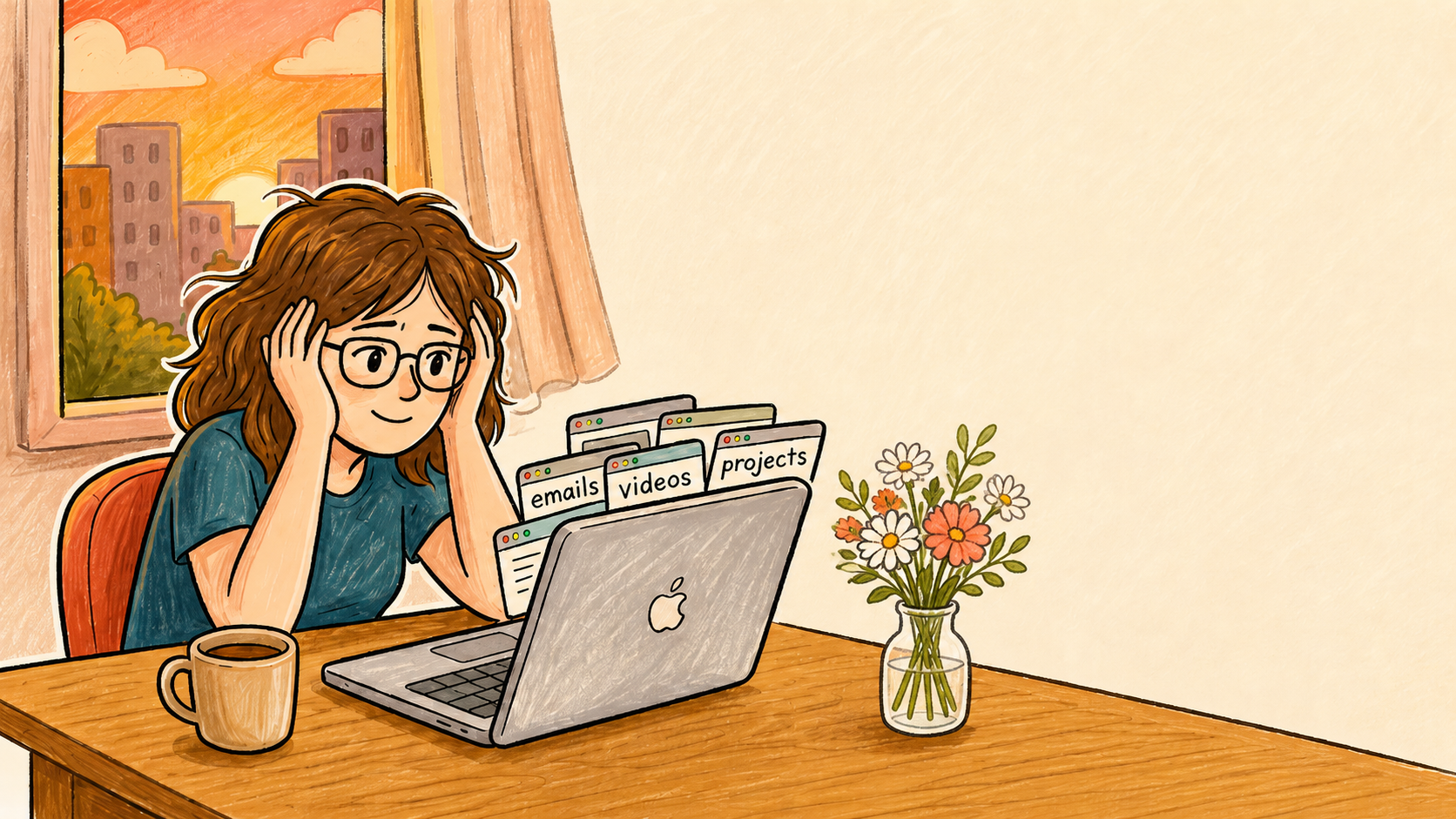
Maya's workday often started with too many tabs, too many choices, and no clear first step.
Maya was a freelance designer. Working for herself gave her space: fewer interruptions, more control, and the freedom to build a rhythm that fit her brain.
Over time, her days started to blur. She would wake up with client edits, portfolio updates, emails, and one draft she kept postponing.
She had ideas. She cared about the work. But every option felt open at once, so she kept drifting from one small thing to another.
By evening, guilt would push her into action. She often worked late, not because that was her best time, but because pressure had become the only thing strong enough to move her.
From Perfect Routine to Real Support
At first, Maya tried to fix everything with stricter productivity rules: waking up earlier, planning every hour, using timers, and copying morning routines she saw online. Some helped for a day or two, but most did not last.
Eventually, she stopped asking, What is the perfect system? and started asking, What actually helps me begin? That question changed everything. She noticed that finish the project felt too big, but open the client file felt possible.
The goal was no longer to copy someone else's routine. It was to create support that matched how her brain actually worked.
A Smaller ADHD Freelance Routine

A small start board gave Maya's brain one clear path into the workday.
Maya made the beginning of work smaller. Instead of planning the entire day, she created a short starting sequence:
Maya's ADHD freelance start board
- Open the laptop
- Open the project file
- Choose one small section
- Work for ten minutes
- Write down the next step
- Mark today complete
“The goal was not to build a perfect routine. The point was to make starting feel less impossible.”
It did not look impressive from the outside. But it helped her cross the hardest part: getting started. Some days, she worked at a cafe. Other days, she played soft background sound at home. The routine stayed small enough to use.
How Vingoals Helps Make the First Step Visible
ADHD-friendly productivity is not about forcing yourself into one perfect system.
For Maya, what helped was seeing the next step clearly. Instead of holding the whole workday in her head, Vingoals turned her freelance routine into small visible squares.
A tiny work board your brain can actually see
- Open the laptop
- Open one client file
- Choose one small section
- Work for ten minutes
- Write the next step
- Mark today complete
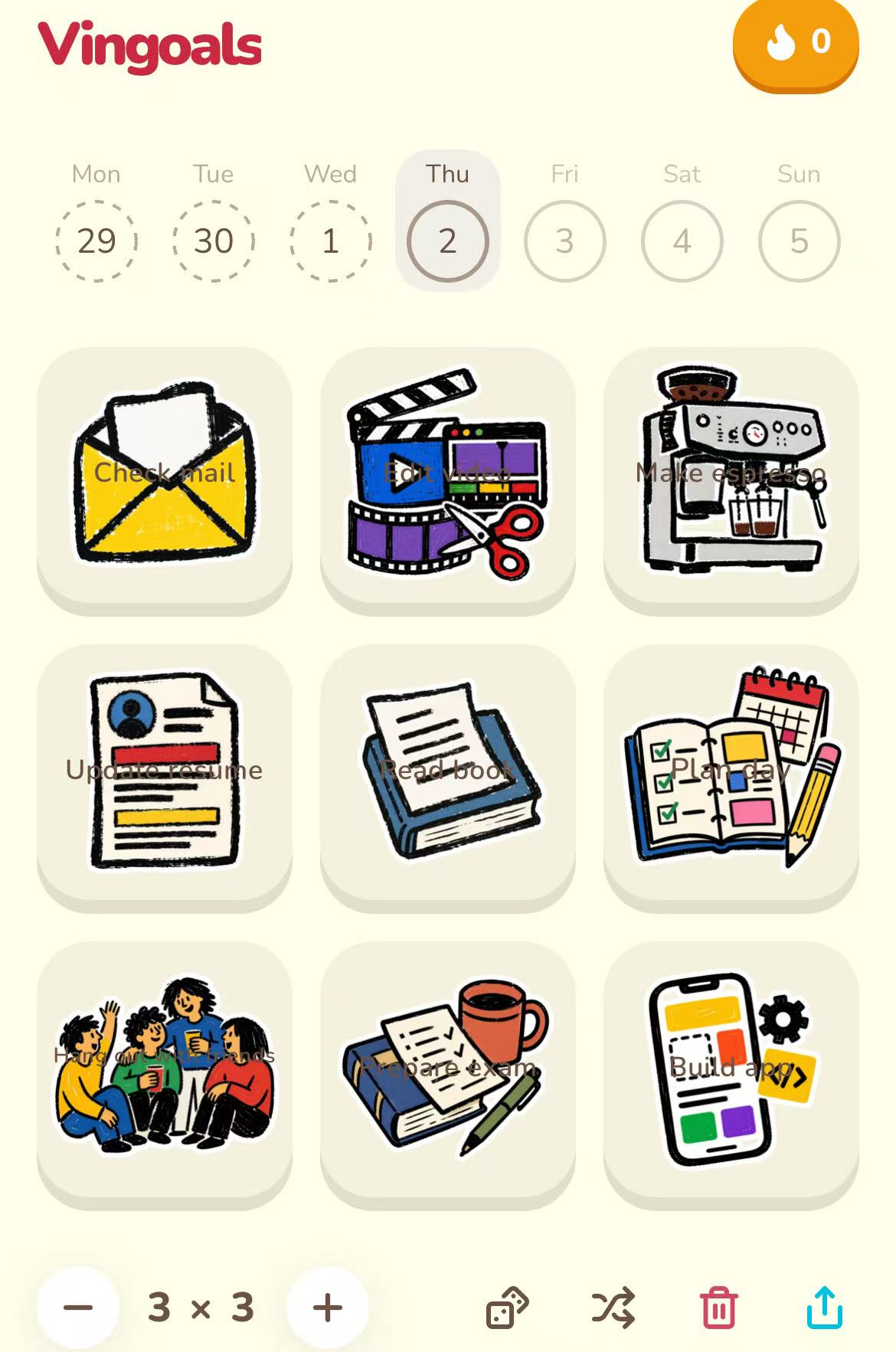
This is the heart of an ADHD freelance routine: make the open-ended workday easier to see, so the first step feels easier to start.
Start with one tiny win today
Build a workday that gives your brain something clear to hold onto.
Start with one tiny square today.
More real stories
See all stories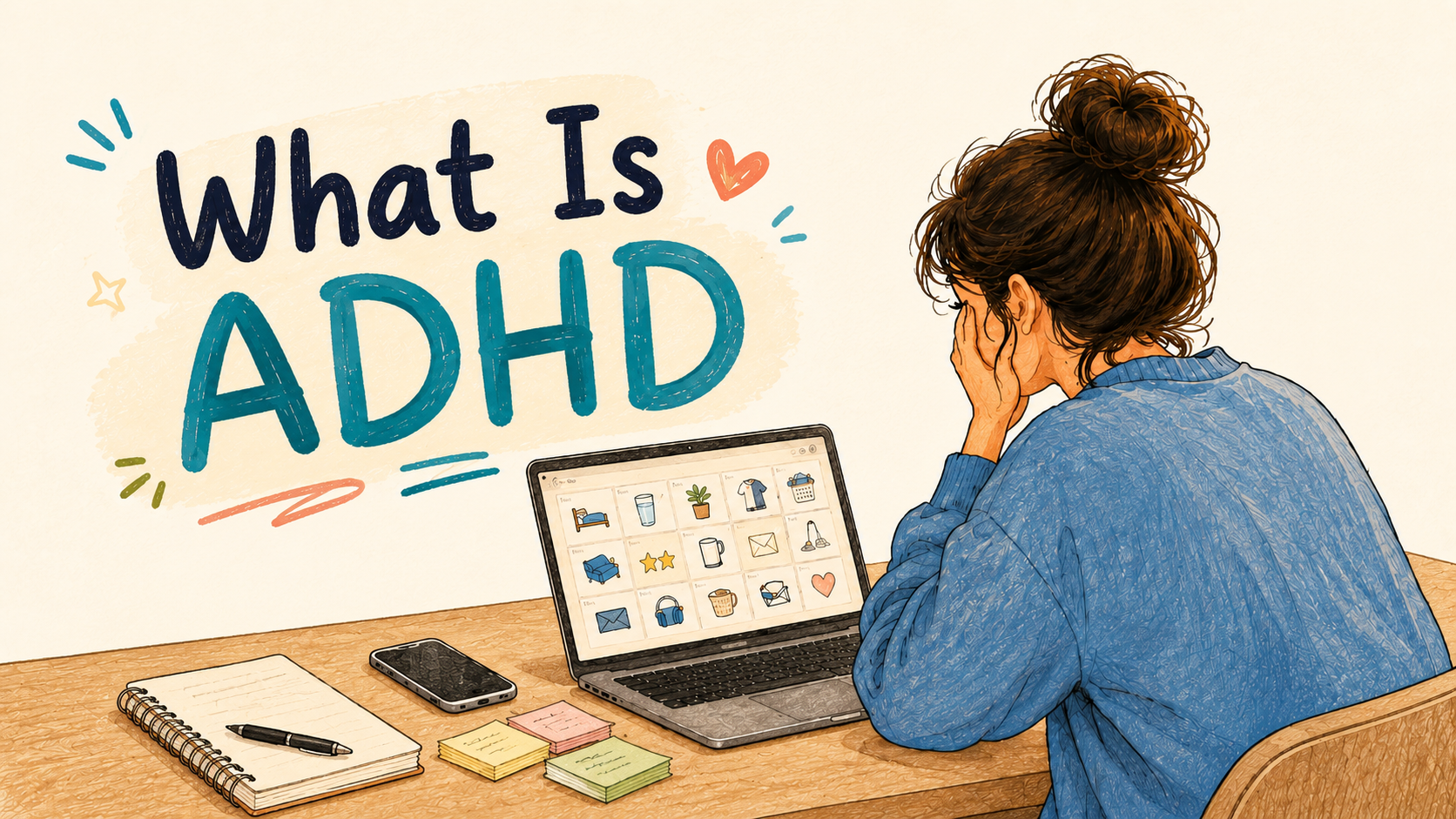
What Is ADHD? Why Starting Tasks Can Feel So Hard
ADHD is not laziness. Executive dysfunction and ADHD paralysis can make starting hard when the first step is too vague.
Read story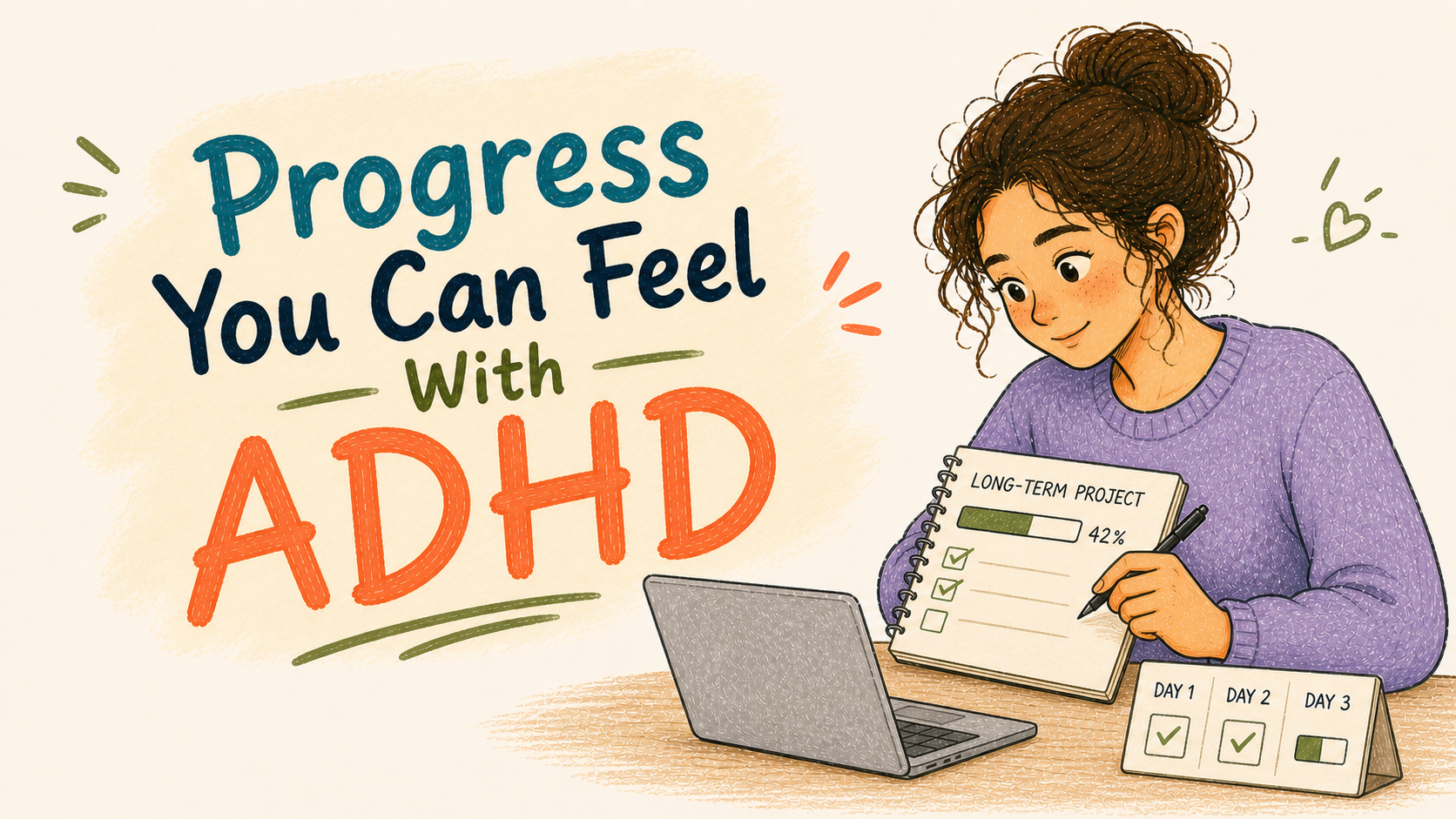
ADHD Long-Term Projects: Make Slow Progress Feel Visible
Long tasks can feel impossible when the reward is too far away. A three-day cycle and small feedback points can make slow progress easier to feel.
Read story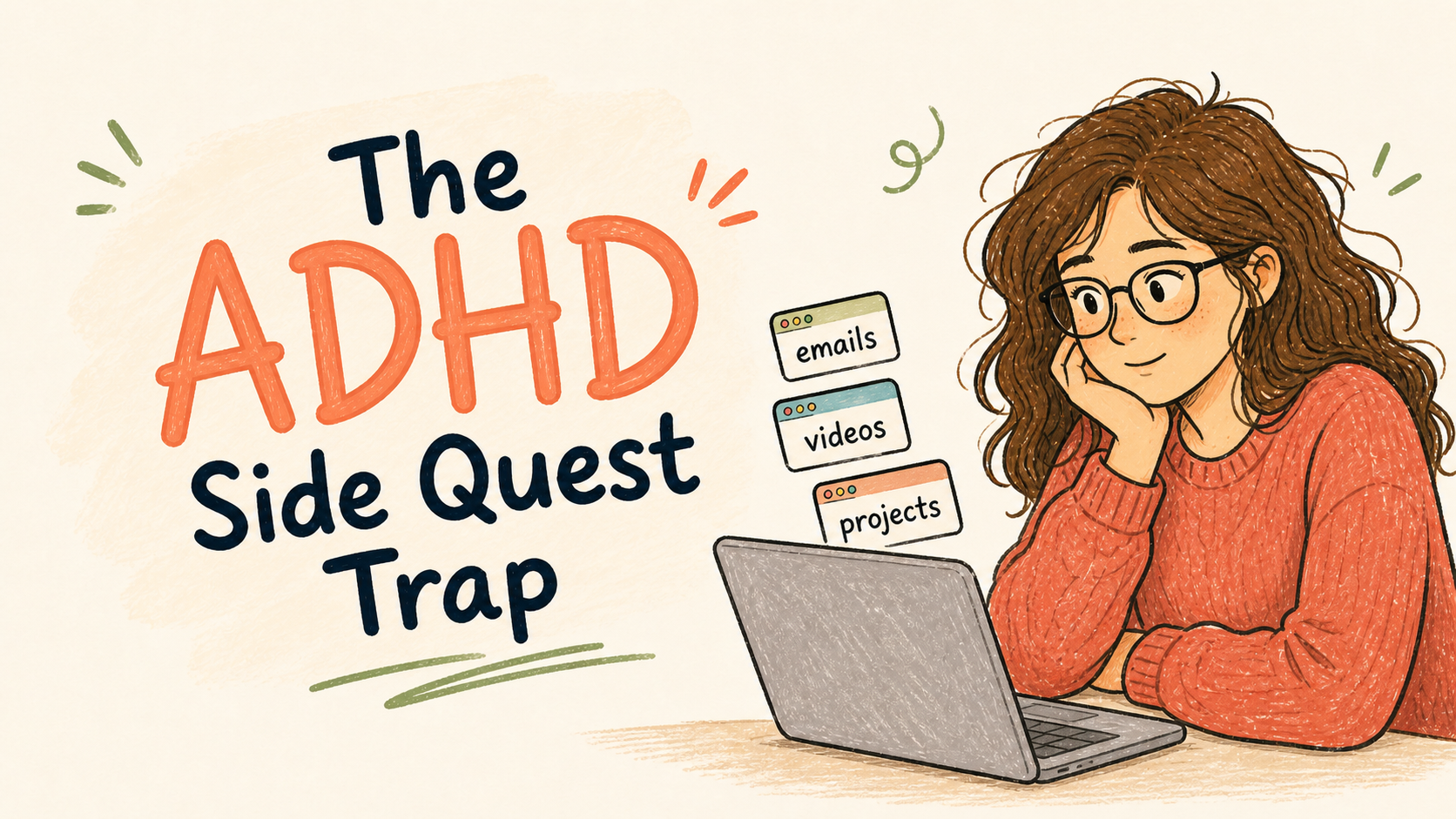
ADHD Task Switching: Use a Main Quest and Side Quest Strategy
When ADHD attention keeps following side quests, a work routine needs one main quest and a place for everything else.
Read story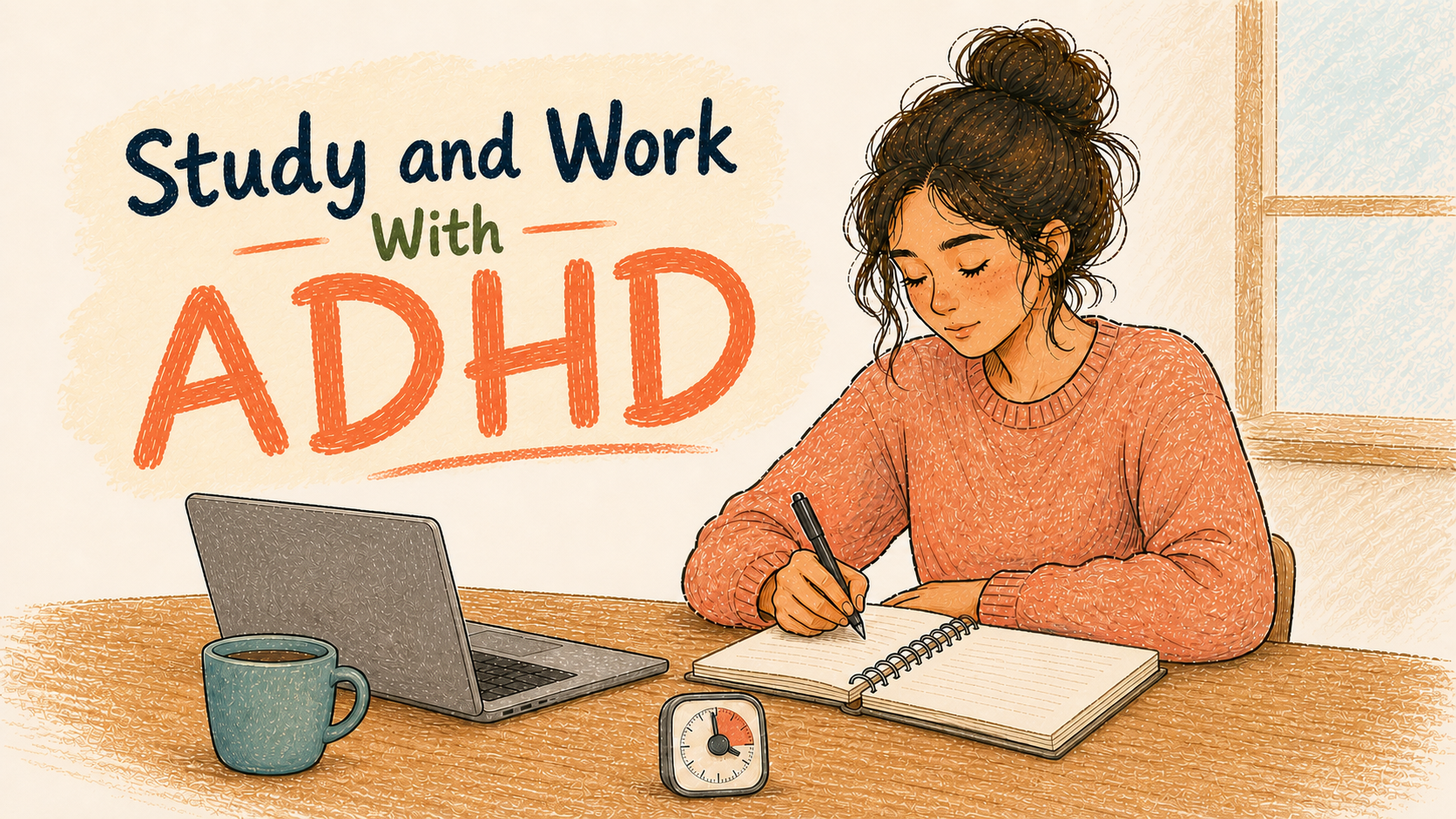
Study and Work With ADHD: Build a Sustainable Focus Rhythm
For ADHD, focus is often hard to switch on but powerful once it starts. A flow-friendly setup can make task initiation feel less jagged.
Read story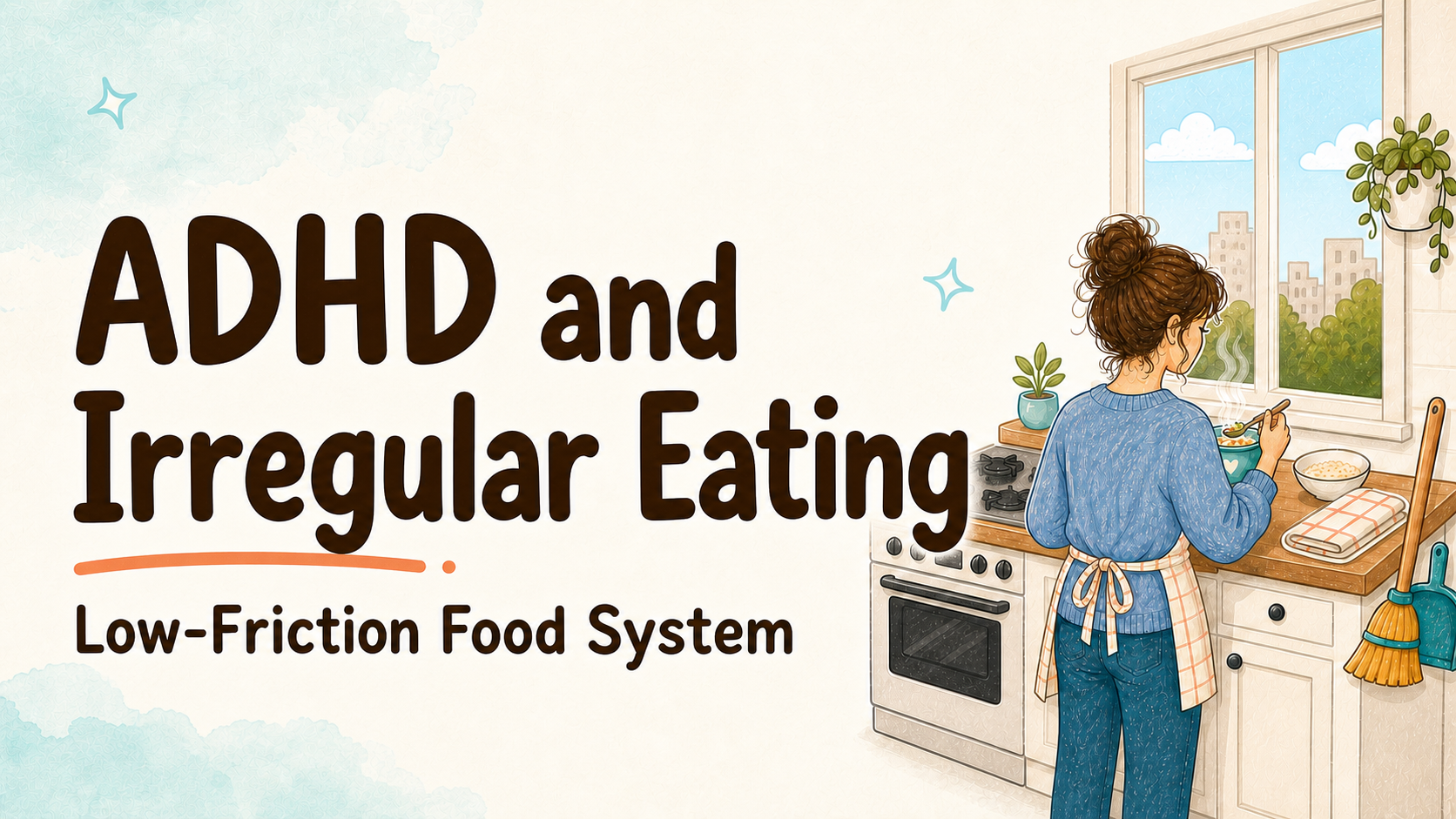
ADHD and Irregular Eating: A Low-Friction Food System
When ADHD hyperfocus takes over, meals can disappear from the day. A low-friction daily routine makes eating easier before energy crashes.
Read story
ADHD-Friendly Organizing: Make Things Easier to Put Away
For ADHD, organizing often fails when every object asks for a decision. A visible home for everyday things can make putting them away less exhausting.
Read story
ADHD Bedtime Procrastination
ADHD bedtime procrastination can make nights feel impossible to end. A softer shutdown routine can help your brain move toward sleep.
Read story
ADHD Morning Routine Reset
Getting out of bed with ADHD can feel like a whole task chain. A softer morning routine can help you restart without shame.
Read story
The Hidden Emotional Weight of ADHD
ADHD self-esteem can be shaped by shame, self-criticism, and the hard moments after a mistake. A kinder voice can help you recover.
Read story
Why ADHD Looks Different in Everyone
ADHD can look restless, quiet, overwhelmed, impulsive, or hidden. The support that helps most depends on how it shows up in your real life.
Read story
Living Alone With ADHD: Small Visible Steps That Make Life Easier
Living alone with ADHD made daily care feel heavy for CC. Small visible steps helped make the day feel lighter, clearer, and easier to restart.
Read story
ADHD Social Fatigue: When You Replay Every Conversation
If a normal gathering leaves you replaying every sentence, you are not alone. ADHD social fatigue often comes from the hidden work of reading cues and staying composed.
Read story
How to Study With ADHD Without Getting Stuck Before You Start
Studying with ADHD can feel hard before the studying even begins. Ashley used small visible steps to move through ADHD paralysis.
Read story