

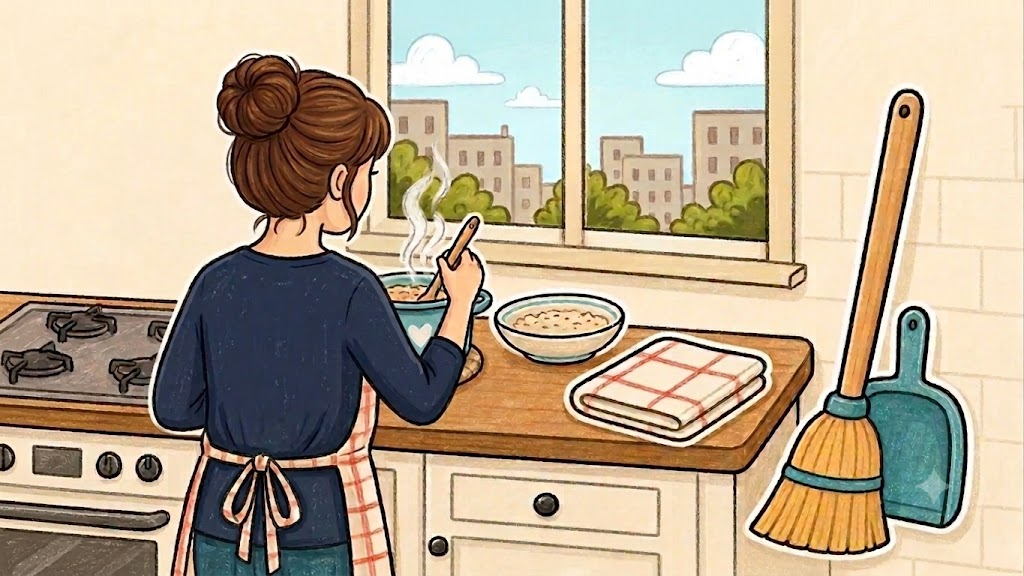
Living Alone With ADHD Can Feel Heavy in a Quiet Way
Living alone can feel good at first. You finally have your own space. You can decorate it the way you like, stay up late without bothering anyone, eat dinner whenever you want, and spend a slow weekend without explaining yourself.
But for some people with ADHD, that freedom can slowly become hard to manage. Without natural checkpoints, meals get pushed later, sleep becomes inconsistent, and small chores sit around for too long.
The apartment can start to feel less like a peaceful space and more like a reminder of everything unfinished.
To other people, daily tasks may look simple. But with ADHD, making food, cleaning, laundry, trash, going outside, or keeping a basic sleep routine can come with too many steps, too many decisions, and too much emotional weight.
Why ADHD Chores Can Feel Bigger Than They Look

For many people with ADHD, chores do not always feel like one simple task. They can feel like a chain of small decisions that all need to happen at once.
A messy room is not just a messy room when your mind already feels crowded. A sink full of dishes can make cooking feel harder before you even start. A pile of laundry can make getting dressed feel like another problem to solve.
Daily routines often break down when the first step is not clear enough. Even a basic chore can feel too big when everything stays in your head.
From the outside, it may look like procrastination. Inside, it can feel like being stuck before you even begin.
CC's Story: When the Apartment Started Feeling Heavy
CC was in her mid-twenties when she started living alone. At first, she loved having her own space, her own schedule, and the freedom to do things her way.
But over time, the days started to blur. Meals got pushed later. Groceries sat in the fridge while takeout felt easier. The desk collected random things she planned to deal with later.
The hardest part was not the mess itself. It was how personal the mess started to feel.
The laundry felt like proof that she was not keeping up. The dishes felt like another small failure. Even her bedroom, the place she wanted to rest, started to feel heavy.
CC wanted to take better care of herself, but every big reset plan worked for one day and then disappeared.
She did not need a perfect ADHD home routine. She needed a smaller way back.
What Changed: A Smaller Way Back

CC stopped trying to reset her whole life in one day. A full apartment clean-up felt too big. A perfect morning routine felt unrealistic.
So she made the goal smaller: change the feeling of the day just a little.
If the kitchen felt overwhelming, she washed one cup. If the room felt heavy, she cleared one visible corner. If she had skipped meals for too long, she ate something simple without turning it into another reason to feel guilty.
These small steps did not magically fix everything. CC still had low-energy days, and her apartment was not always clean.
But one tiny win helped her feel less stuck. A messy day no longer had to mean the whole day was ruined.
She did not need a perfect reset. She just needed one small visible step back into the day.
How Vingoals Helps Make the Next Step Visible
When everything stayed in CC's head, the day felt crowded. Cleaning, eating, laundry, messages, sleep, and errands all competed for attention at the same time.
A small visual board made the day feel less blurry. It did not need to include everything. In fact, it worked better when it stayed short and realistic.
A softer daily-care board could include:
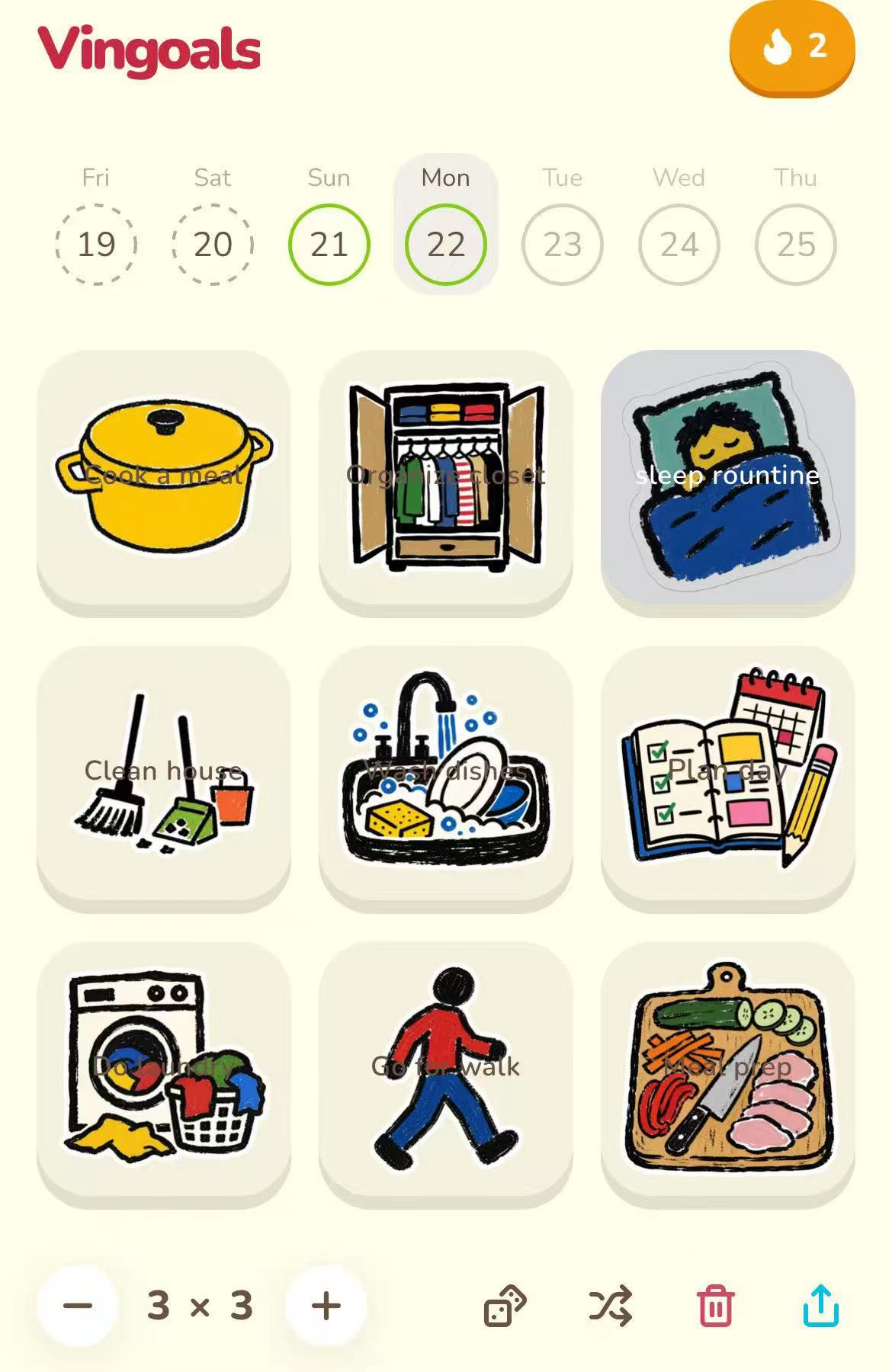
This is where Vingoals can fit naturally into an ADHD daily routine. Not as a strict productivity system, and not as another place to feel bad about unfinished tasks.
Just as a softer way to turn a heavy day into a few small visible steps, so the next action is easier to see.
Start with one tiny win today
Your day does not have to be perfect to count.
Start with one tiny win today.
More real stories
See all stories
What Is ADHD? Why Starting Tasks Can Feel So Hard
ADHD is not laziness. Executive dysfunction and ADHD paralysis can make starting hard when the first step is too vague.
Read story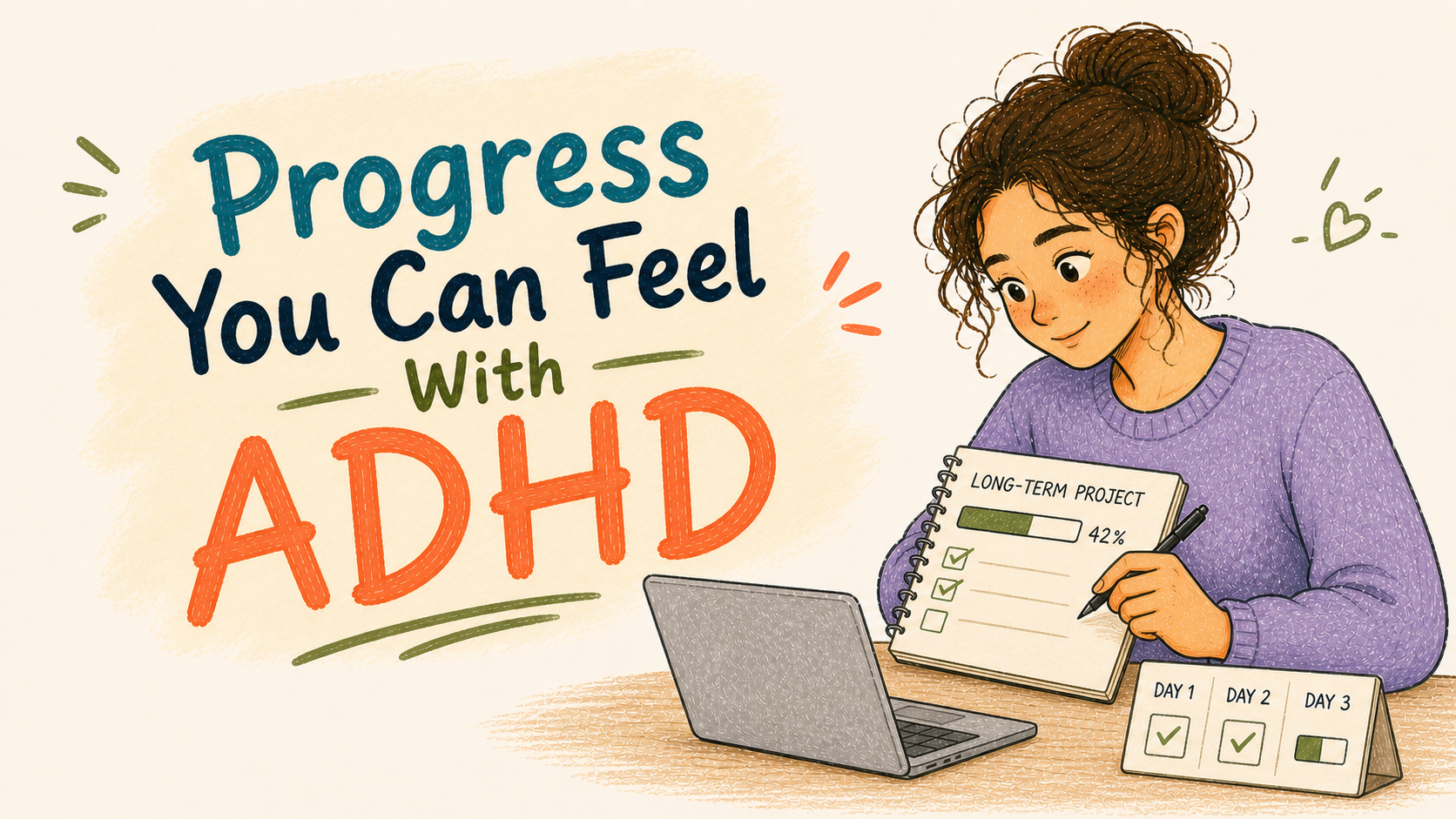
ADHD Long-Term Projects: Make Slow Progress Feel Visible
Long tasks can feel impossible when the reward is too far away. A three-day cycle and small feedback points can make slow progress easier to feel.
Read story
ADHD Task Switching: Use a Main Quest and Side Quest Strategy
When ADHD attention keeps following side quests, a work routine needs one main quest and a place for everything else.
Read story
Study and Work With ADHD: Build a Sustainable Focus Rhythm
For ADHD, focus is often hard to switch on but powerful once it starts. A flow-friendly setup can make task initiation feel less jagged.
Read story
ADHD and Irregular Eating: A Low-Friction Food System
When ADHD hyperfocus takes over, meals can disappear from the day. A low-friction daily routine makes eating easier before energy crashes.
Read story
ADHD-Friendly Organizing: Make Things Easier to Put Away
For ADHD, organizing often fails when every object asks for a decision. A visible home for everyday things can make putting them away less exhausting.
Read story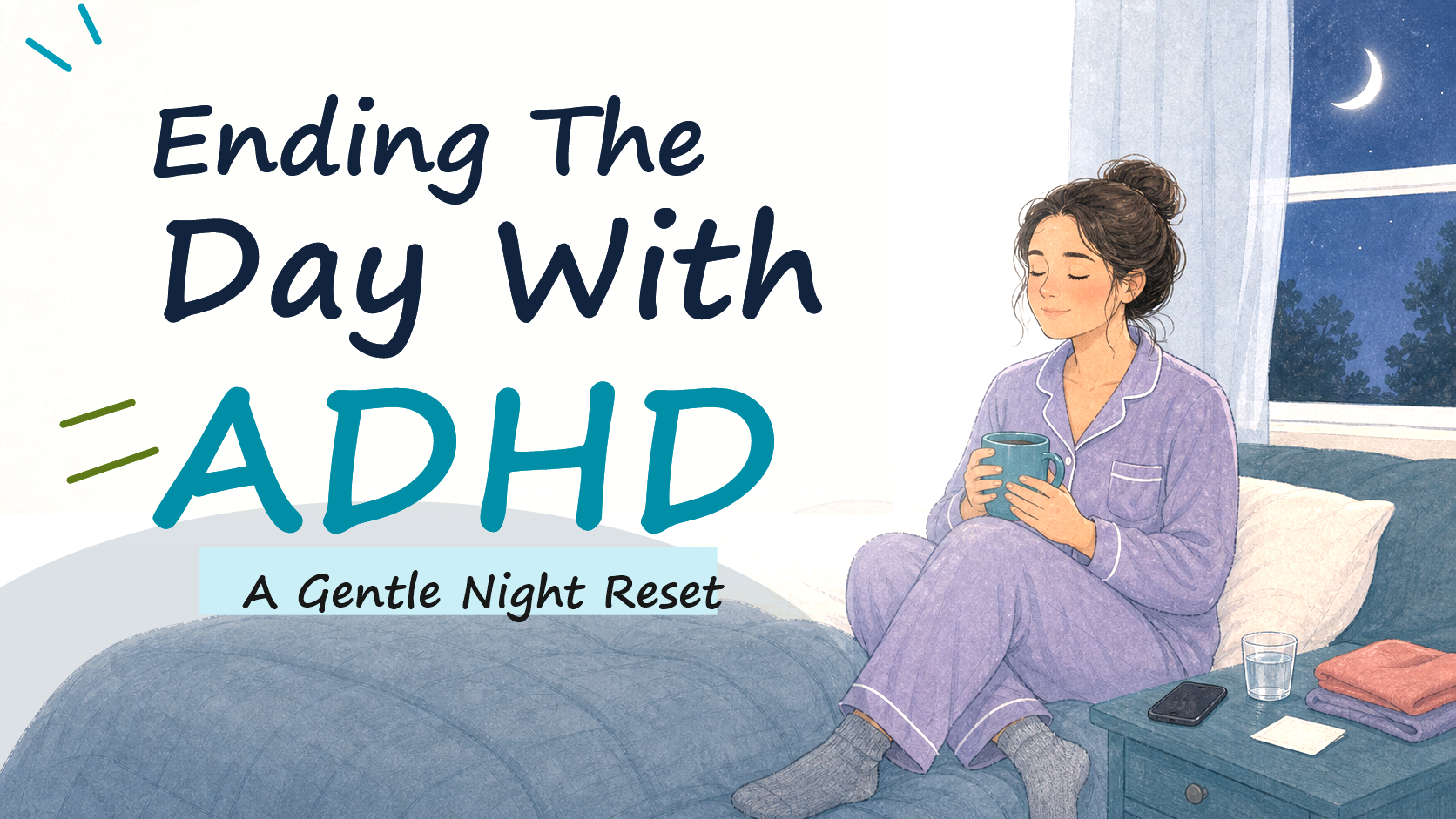
ADHD Bedtime Procrastination
ADHD bedtime procrastination can make nights feel impossible to end. A softer shutdown routine can help your brain move toward sleep.
Read story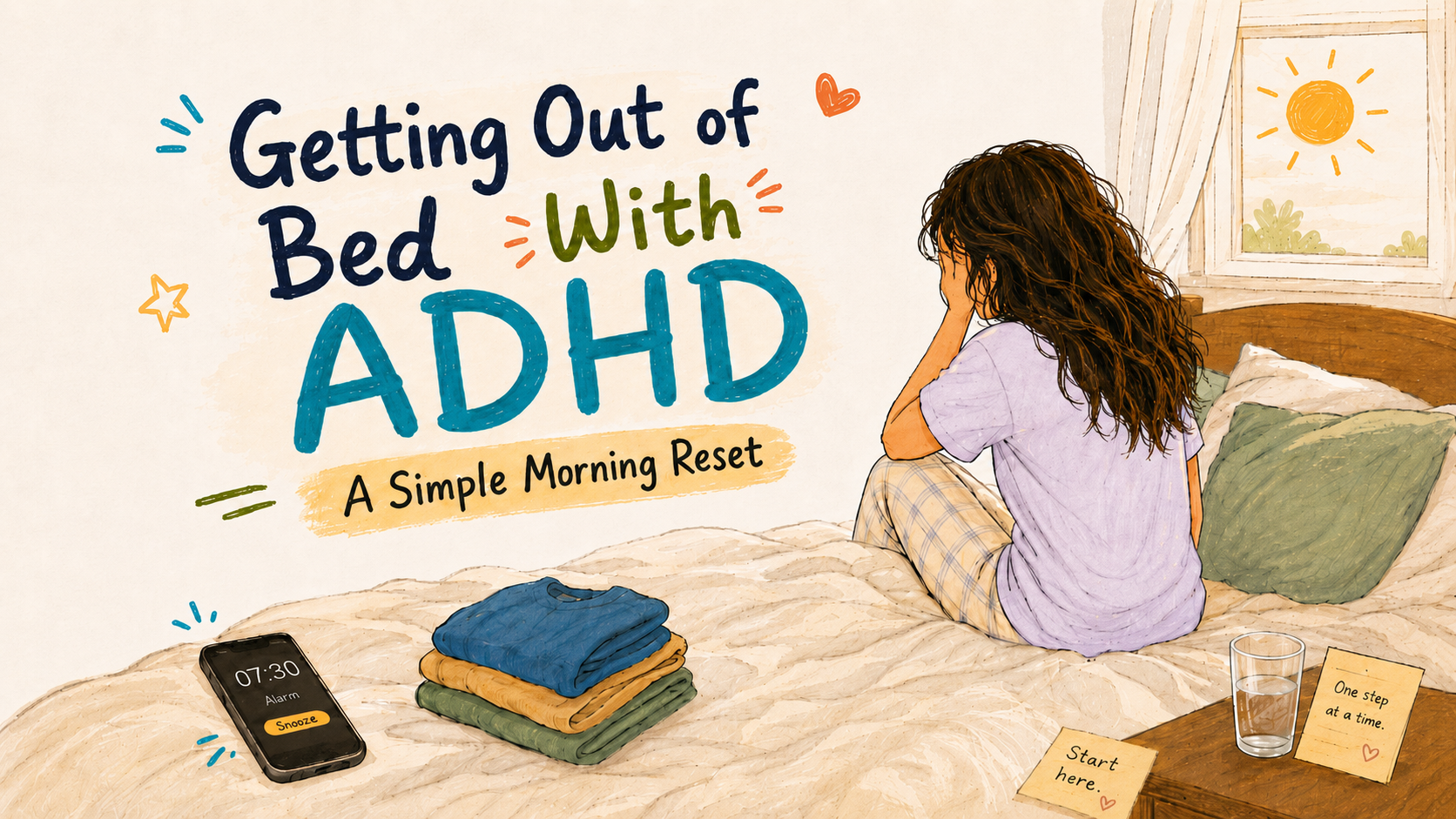
ADHD Morning Routine Reset
Getting out of bed with ADHD can feel like a whole task chain. A softer morning routine can help you restart without shame.
Read story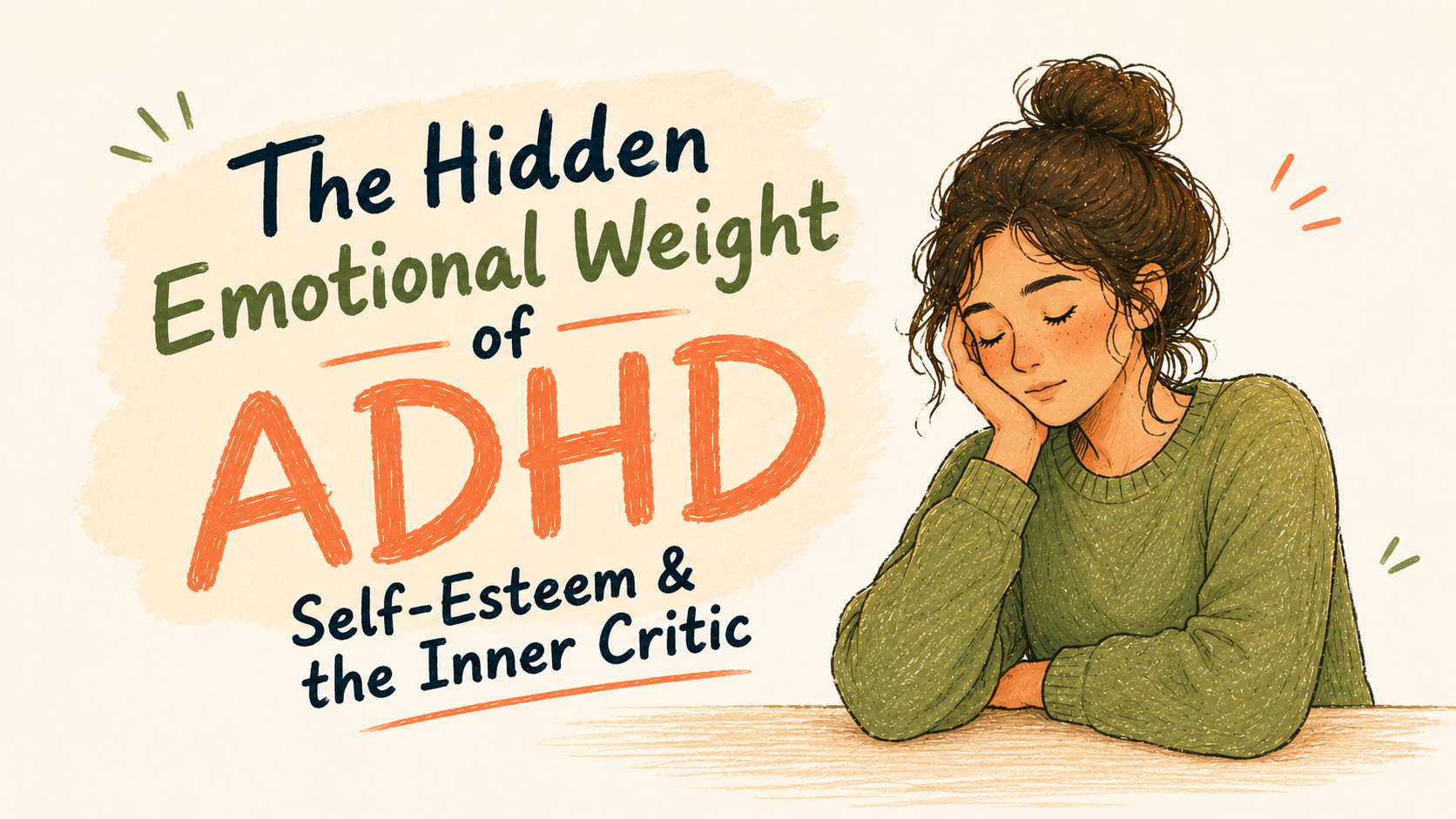
The Hidden Emotional Weight of ADHD
ADHD self-esteem can be shaped by shame, self-criticism, and the hard moments after a mistake. A kinder voice can help you recover.
Read story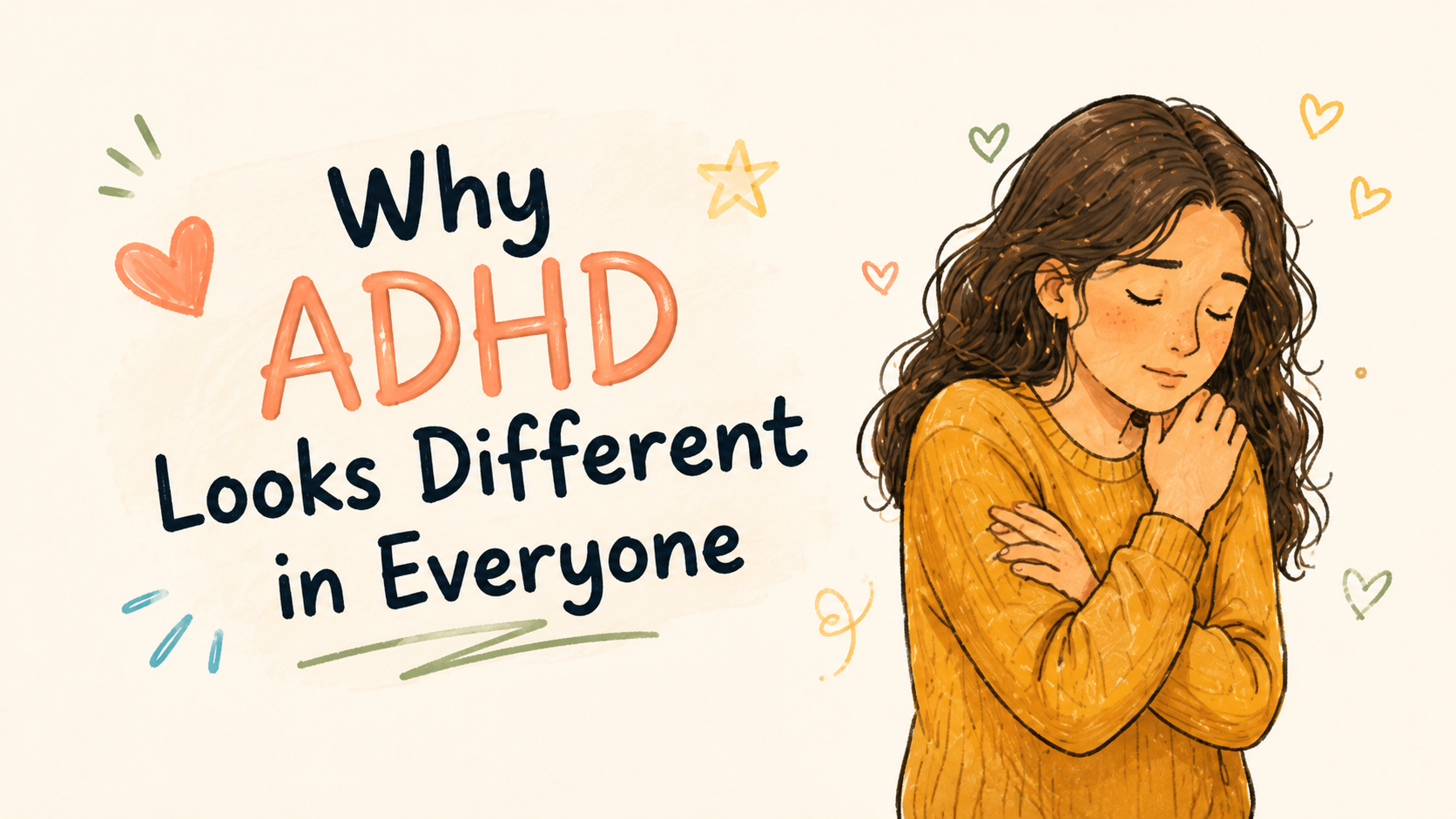
Why ADHD Looks Different in Everyone
ADHD can look restless, quiet, overwhelmed, impulsive, or hidden. The support that helps most depends on how it shows up in your real life.
Read story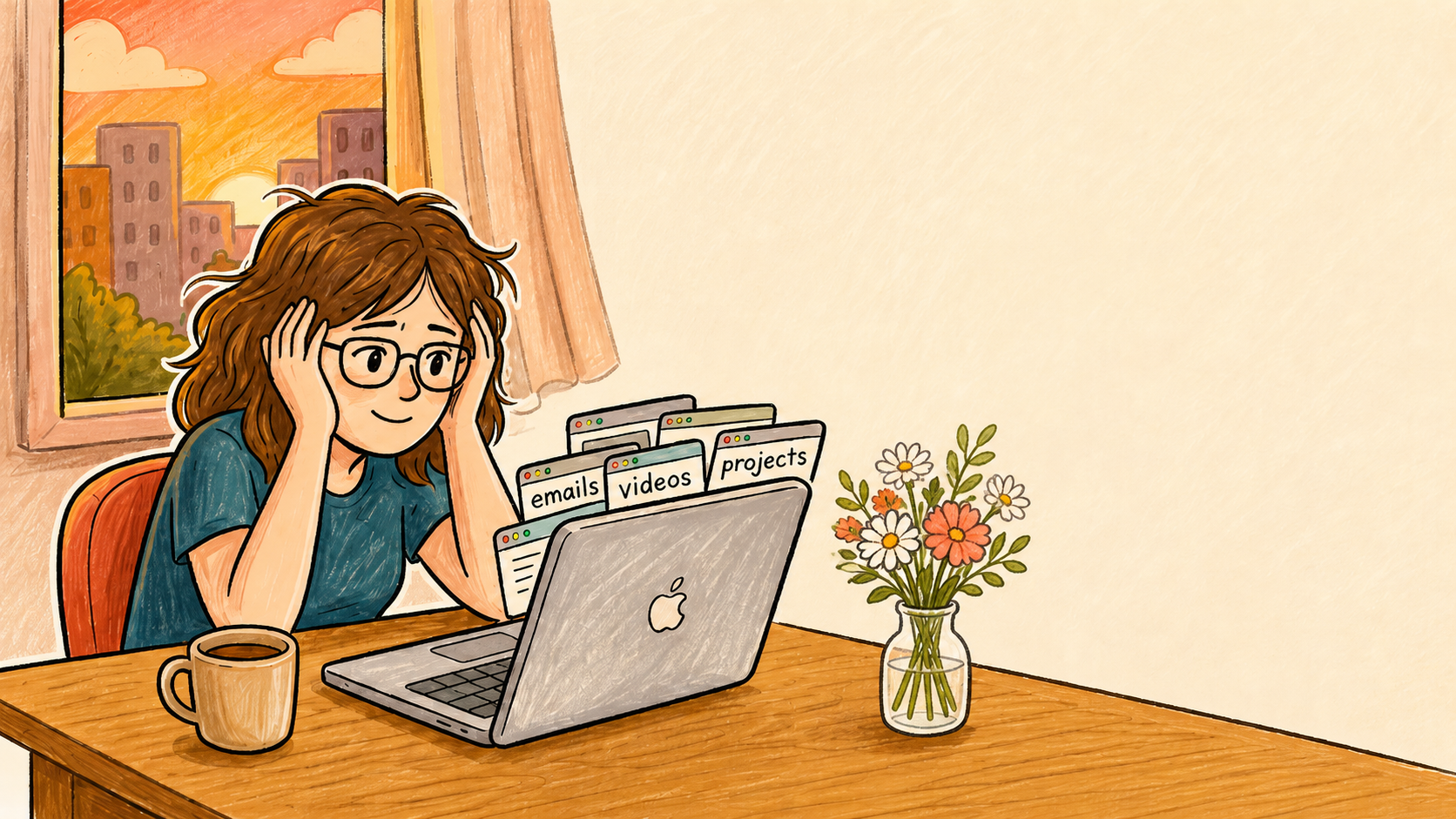
Freelancing With ADHD: Why Open-Ended Workdays Feel So Hard
Freelance freedom helped Maya work on her own terms, but open-ended workdays made starting hard. A smaller ADHD freelance routine helped her begin.
Read story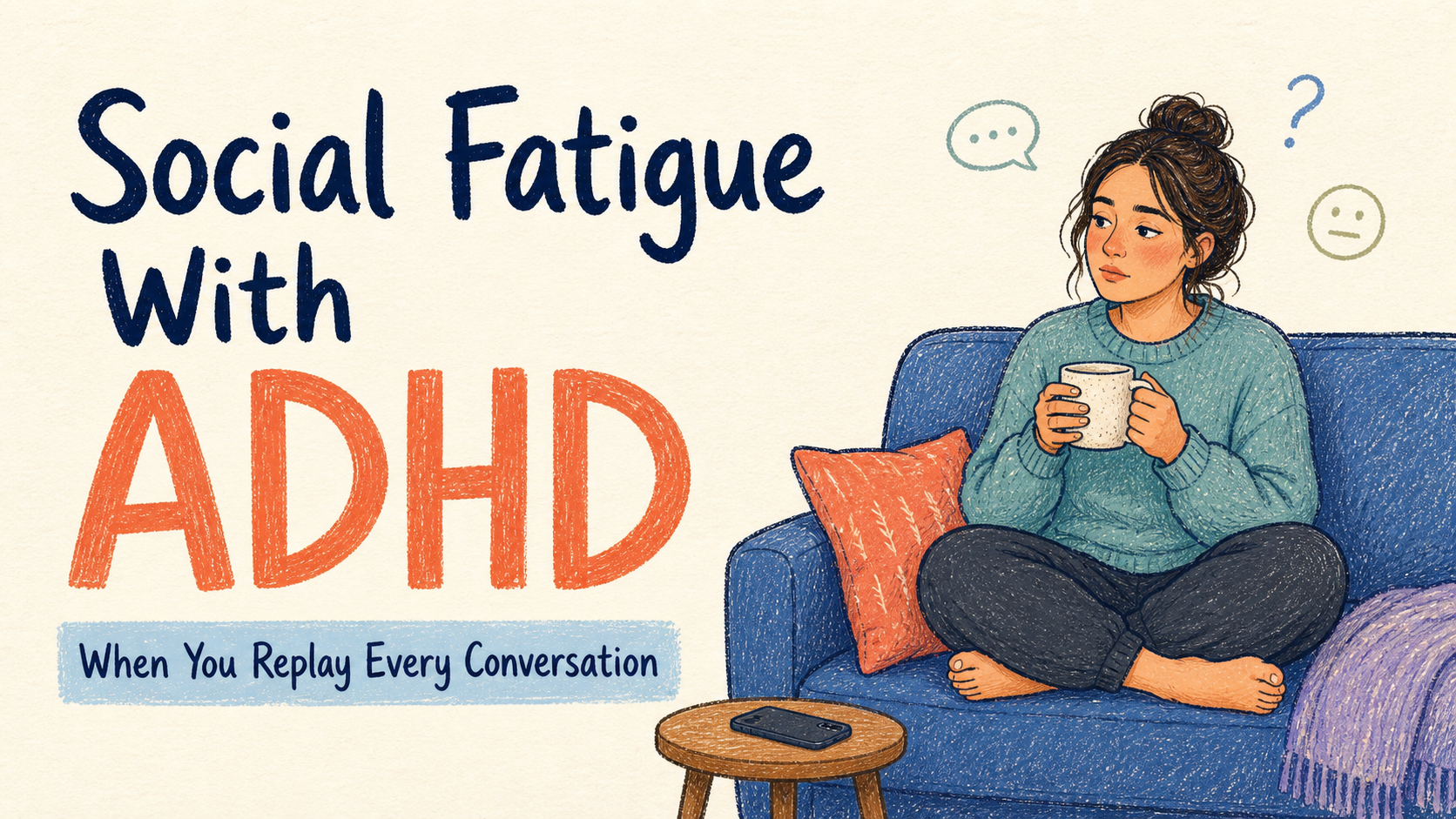
ADHD Social Fatigue: When You Replay Every Conversation
If a normal gathering leaves you replaying every sentence, you are not alone. ADHD social fatigue often comes from the hidden work of reading cues and staying composed.
Read story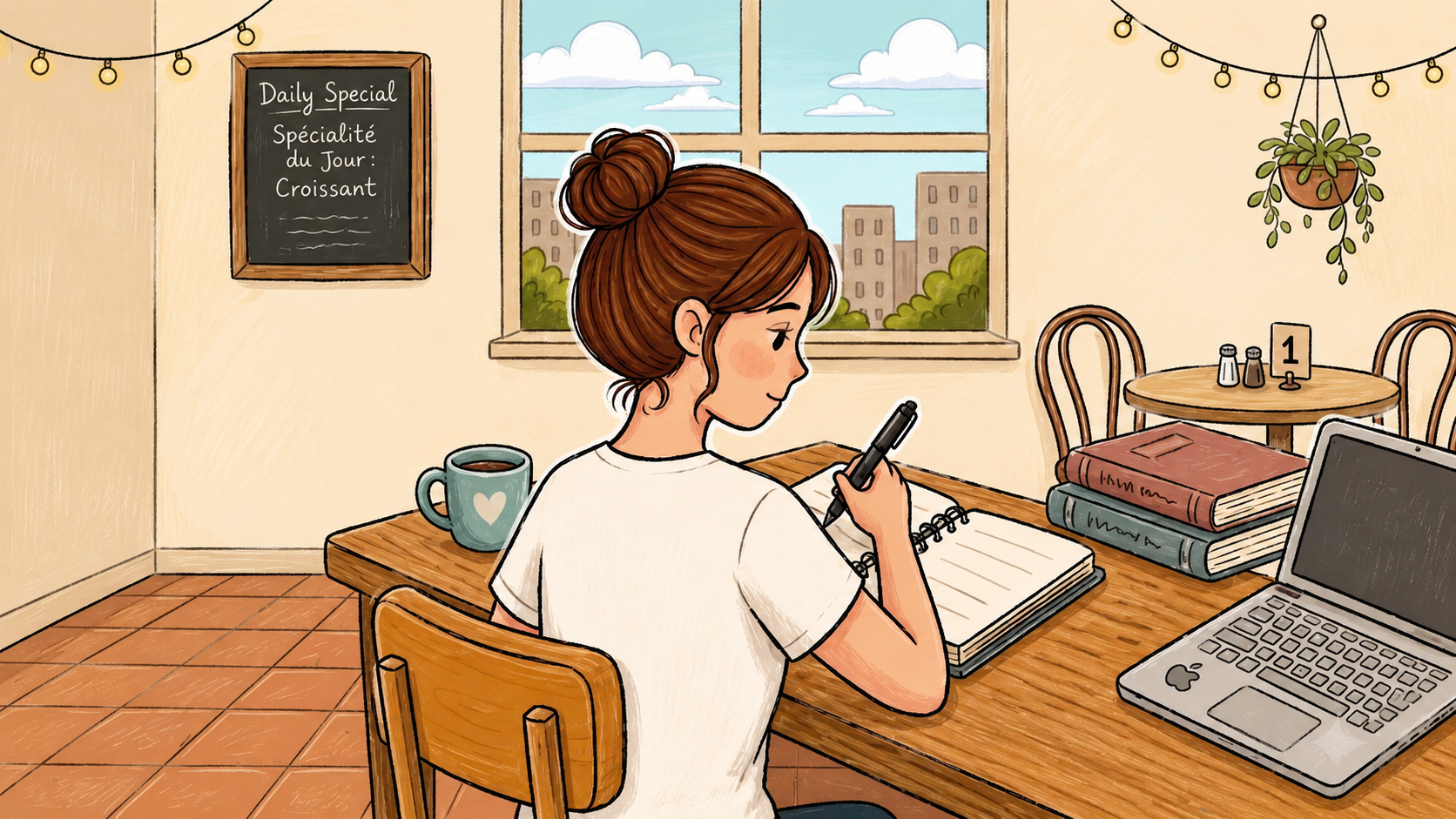
How to Study With ADHD Without Getting Stuck Before You Start
Studying with ADHD can feel hard before the studying even begins. Ashley used small visible steps to move through ADHD paralysis.
Read story